Why visit China
China is one of the world's most fascinating travel destinations — thousands of years of history, futuristic megacities, jaw-dropping natural landscapes and the fastest, most modern transport network on the planet.
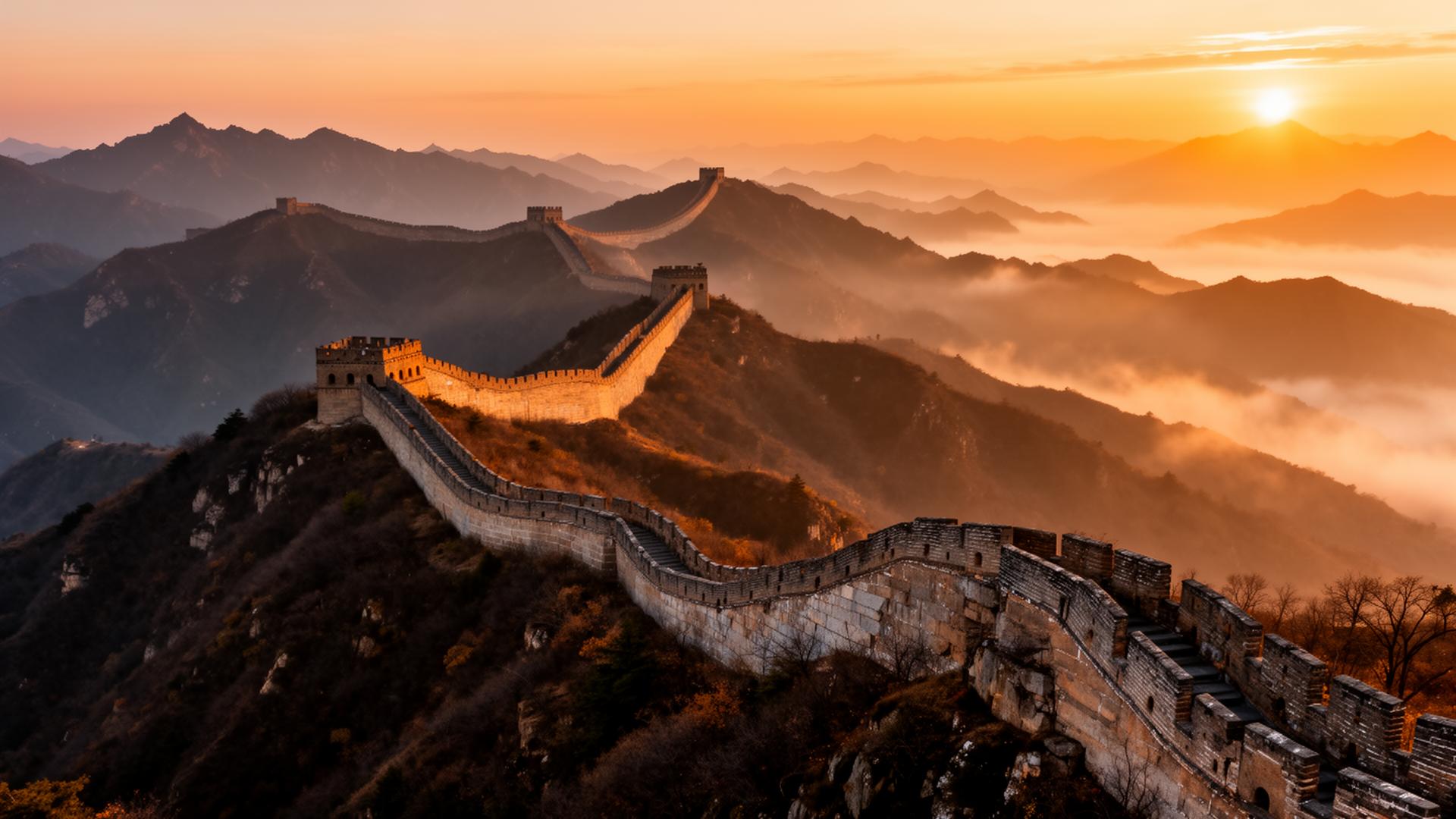
Whether you're walking the Great Wall at sunrise, wandering through the Forbidden City, seeing giant pandas in Chengdu, riding cable cars into the Avatar mountains of Zhangjiajie or watching the neon Pudong skyline glow over Shanghai's Bund, China rewards every kind of traveller.
Its sheer size means every region feels like a different country — from Tibetan plateaus and Gobi deserts to tropical southern beaches and snow-bound Harbin in the north. Eight distinct regional cuisines, 56 ethnic groups and 5,000 years of culture sit alongside Alipay, bullet trains and EVs.
This guide covers everything you'll actually need: smart itineraries, honest costs, transport that works, the best places compared, food worth seeking out and the practical details (visa, VPN, payments, SIM) that make a China trip far easier than most travellers expect.
China destinations map
Tap any destination to jump to its overview. China divides loosely into the north (Beijing, Xi'an, Pingyao, Harbin), the east (Shanghai, Hangzhou, Suzhou, Huangshan), the southwest (Chengdu, Yunnan, Tibet), the south (Guilin, Hong Kong, Guangzhou) and central China (Zhangjiajie, Wuhan).
Best places to visit in China
From Beijing's imperial history and Shanghai's skyline to the karst mountains of Guilin and the Avatar pillars of Zhangjiajie — here are the destinations worth building a China trip around, what each is like, how long to stay and who they suit best.
North · Capital
Beijing
China's historic capital — the Great Wall, Forbidden City, Temple of Heaven, hutong alleys and some of the country's best food.
East · Megacity
Shanghai
Futuristic skyline on the Pudong side, art-deco Bund and leafy French Concession — modern China at its most polished.
Central · History
Xi'an
Ancient capital of 13 dynasties — the Terracotta Army, an intact Ming city wall and a brilliant Muslim Quarter night-food scene.
Southwest · Pandas & Food
Chengdu
Home of giant pandas, Sichuan hotpot and laid-back teahouse culture — many travellers' favourite Chinese city.
Hunan · Nature
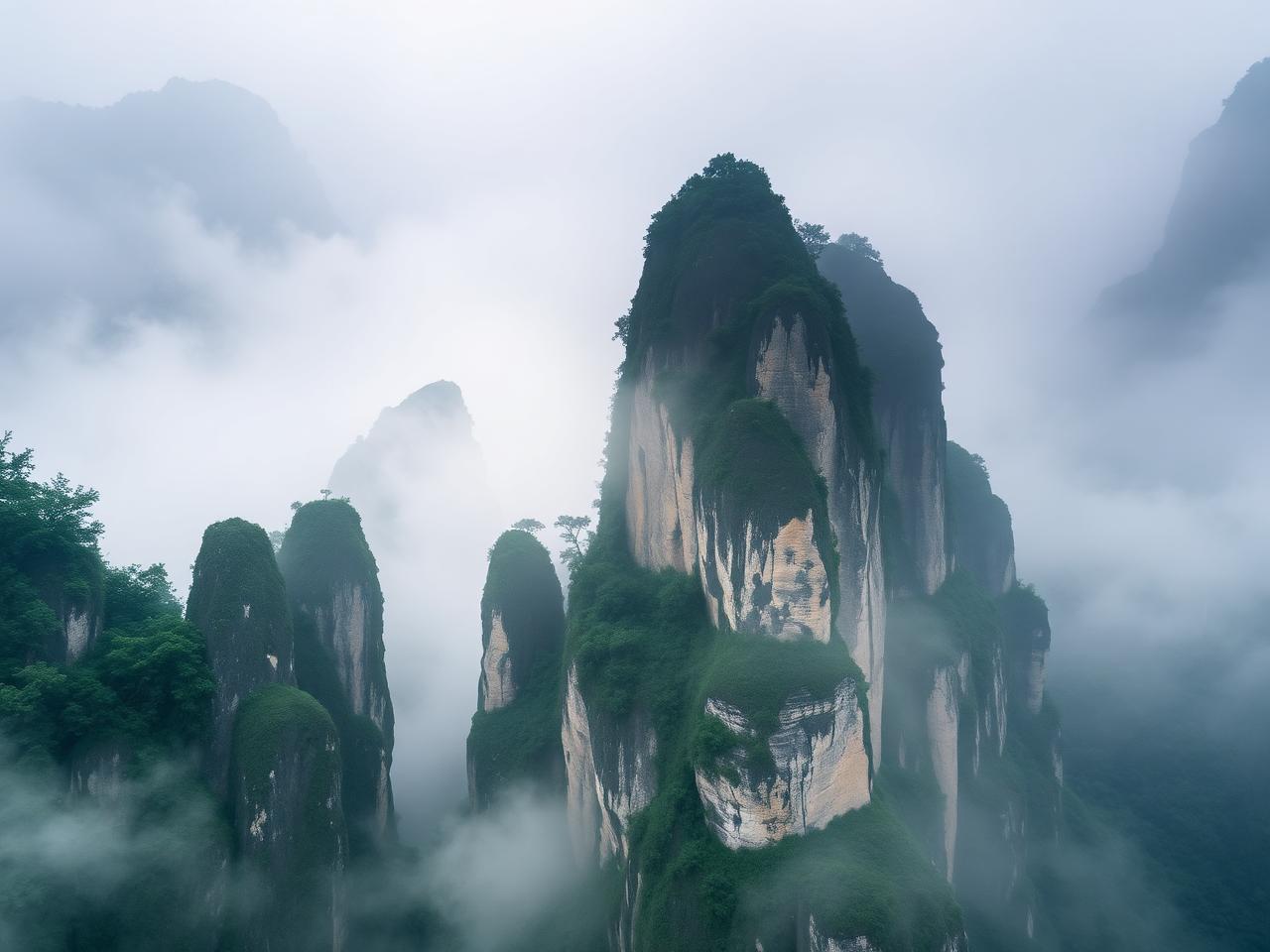
Zhangjiajie
Sandstone pillars that inspired Avatar's floating mountains — glass bridges, the world's tallest outdoor lift and Tianmen's 'Heaven's Gate'.
Guangxi · Karst
Guilin & Yangshuo
Postcard-perfect karst mountains along the Li River — bamboo rafting, cycling country lanes and rice-terrace sunrises.
Anhui · Mountains
Huangshan (Yellow Mountains)
Granite peaks, sunrise cloud-seas and twisted pines — China's most painted mountain range.
Sichuan · UNESCO
Jiuzhaigou Valley
Crystalline turquoise lakes, waterfalls and autumn forests in the Tibetan-Qiang highlands.
Yunnan · UNESCO
Honghe Hani Rice Terraces
Cascading rice terraces best at sunrise and sunset — one of China's most surreal landscapes.
East · Lakes
Hangzhou
Willow-lined West Lake, tea plantations and pagodas — a classic short trip from Shanghai by bullet train.
East · Gardens
Suzhou
Canal town of UNESCO classical gardens and silk workshops — easy day trip from Shanghai.
Shanxi · Old Town
Pingyao
Walled Ming-dynasty city — courtyard inns, ancient banks and one of the best-preserved old towns in China.
Yunnan · Tibetan
Lijiang & Shangri-La
Cobbled Naxi old town below snow peaks, with the road climbing onto the Tibetan plateau to Shangri-La.
Northeast · Winter
Harbin
Snow-and-ice festival every January–February — a wonderland of illuminated ice castles in –20°C.
South · City-state
Hong Kong
Skyline, dim sum, hiking trails and easy entry from the mainland by high-speed rail.
Things to see and do in China
From walking wild sections of the Great Wall to meeting pandas in Chengdu, rafting the Li River and watching the sunrise from Huangshan — these are the experiences worth building each leg of your China trip around.
Capital
Beijing
- Great Wall at Mutianyu or Jinshanling
- Forbidden City and Jingshan sunset
- Temple of Heaven at dawn
- Hutong cycle in Dongcheng
- Summer Palace by Kunming Lake
- Tiananmen Square at flag-raising
- Olympic Park & Bird's Nest
- Peking duck at Siji Minfu
Megacity
Shanghai
- Sunset on the Bund
- Shanghai Tower observation deck
- Yu Garden and Old Town teahouse
- French Concession café-hopping
- Nanjing Road and People's Square
- Huangpu River night cruise
- M50 Art District
- Day trip to Suzhou's gardens
Ancient capital
Xi'an
- Terracotta Army at Lintong
- Cycle the Ming city walls
- Muslim Quarter night food street
- Big Wild Goose Pagoda
- Bell Tower & Drum Tower
- Hua Shan day trip (vertical staircases)
Pandas & food
Chengdu
- Giant Panda Breeding Base at dawn
- Sichuan hotpot dinner
- People's Park tea house
- Jinli Ancient Street
- Wuhou Shrine and Wide & Narrow Alleys
- Day trip to Leshan Giant Buddha
Nature
Zhangjiajie & Guilin
- Bailong Elevator and Avatar pillars
- Tianmen Mountain cable car
- Glass bridge over the canyon
- Li River raft from Guilin to Yangshuo
- Cycle the Yulong River valley
- Longji rice terraces
Slow travel
Off-beat China
- Pingyao walled old town
- Lijiang and Tiger Leaping Gorge
- Honghe rice terraces at sunrise
- Datong's Hanging Monastery
- Harbin ice festival in January
- Kashgar Sunday market
Best China itineraries
How long do you need? China rewards both short city-hops (a week covers the classics by bullet train) and slow 3-week trips. Here are five route lengths that consistently work.
China in a Week
Beijing → Xi'an → Shanghai on the high-speed rail — the classic three-city loop.
Best for: First-timers, short trips
Classic China
Beijing → Xi'an → Chengdu → Shanghai with pandas, the Terracotta Army and the Great Wall.
Best for: Most travellers
Two Weeks in China
Add Zhangjiajie for the Avatar mountains and Guilin/Yangshuo for the karst landscapes.
Best for: First-time visitors who want it all
China In-Depth
Add Yunnan (Lijiang, Shangri-La), Huangshan and Hangzhou for a fuller picture.
Best for: Slow travellers
Nature & Pandas
Chengdu → Jiuzhaigou → Zhangjiajie → Guilin → Yangshuo — China's best landscapes back-to-back.
Best for: Nature lovers, photographers
Best time to visit China
China spans every climate zone, but the country-wide sweet spots are September–November (crisp, clear autumn) and April–May (mild spring with blossoms). Avoid Chinese New Year (late Jan / early Feb) and National Day Golden Week (Oct 1–7) when domestic travel grinds to a halt.
Beijing ⭐
September–November — crisp blue skies, autumn colour on the Wall.
Shanghai ⭐
October–November and April–May — comfortable, dry, clear.
Sichuan & Yunnan
March–June and September–November — green, mild, photogenic.
Zhangjiajie / Guilin
April–October — lush; autumn is driest.
Avoid
Chinese New Year week and October 1–7 Golden Week.
Overall best months
September, October (after 7th) and November.
China budget guide
China is far cheaper to travel than most visitors expect. Here's what each tier actually looks like day-to-day, with realistic daily, weekly and 2-week estimates.
Backpacker
£35 – £55 / day
£245 – £385 / week · £490 – £770 / 2 weeks
- Accommodation: Hostels & budget hotels · £10–25
- Food: Street food, noodles, hotpot · £2–5
- Transport: Metro, second-class high-speed rail
- Activities: Free parks, temples, walking the Wall
Mid-Range
£70 – £120 / day
£490 – £840 / week · £980 – £1,680 / 2 weeks
- Accommodation: Boutique & business hotels · £35–80
- Food: Mix of restaurants and street food
- Transport: First-class bullet trains, occasional Didi
- Activities: Guided Wall hikes, Forbidden City, pandas
Luxury
£180 – £400+ / day
£1,260 – £2,800 / week · £2,520 – £5,600 / 2 weeks
- Accommodation: 5★ hotels & heritage stays · £100–300+
- Food: Fine dining and Michelin-listed restaurants
- Transport: Business-class rail, private cars and guides
- Activities: Private Wall sections, helicopter views, spas
Sample mid-range day in Beijing
Jianbing breakfast £1.50 · Forbidden City entry £8 · subway £1 · Peking duck dinner £18 · craft beer £5 · 4★ hotel near Wangfujing £55 = £88
Money-saving tips for China
China is already great value, but these small habits quietly cut a 2-week trip cost by 20–30% without sacrificing the experience.
China transport guide
China has the world's largest high-speed rail network — over 45,000 km of track. Combined with brilliant city metros and Didi, you can travel the entire country without ever needing to drive or fly.
World's largest network — Beijing↔Shanghai in 4.5h, Beijing↔Xi'an in 4.5h, Shanghai↔Chengdu in 11h. Modern, punctual, brilliant.
£15 – £80
Soft-sleeper berths on overnight routes — comfortable, affordable, save a hotel night.
£25 – £70
Excellent in every major city — clean, modern, cheap and signed in English.
£0.30 – £1
Useful only for very long hauls (Beijing → Lhasa, Chengdu → Kashgar). Trains usually beat flights up to ~6 hours.
£40 – £150
China's Uber — by far the easiest way to get a taxi. Works inside Alipay and WeChat too.
£2 – £8
Plentiful and cheap; have your destination written in Chinese characters.
£2 – £10
Long-distance buses cover rural areas and small towns trains skip — slower but cheap.
£3 – £20
Hellobike / Meituan shared bikes everywhere — unlock via Alipay or WeChat.
£0.15 / 30 min
Old towns (Pingyao, Lijiang, Shanghai's French Concession) are best on foot.
Free
Where to stay in China
Each Chinese city has neighbourhoods with completely different personalities. Use this as a shortlist before opening Trip.com or Booking.com.
Beijing
Best for
Recommended areas
- Dongcheng (near Forbidden City)
- Wangfujing
- Hutong courtyard inns
Shanghai
Best for
Recommended areas
- The Bund (Huangpu)
- French Concession
- Jing'an
Xi'an
Best for
Recommended areas
- Inside the City Wall
- Bell Tower area
- Muslim Quarter edge
Chengdu
Best for
Recommended areas
- Chunxi Road
- Wide & Narrow Alleys
- Tongzilin
Guilin / Yangshuo
Best for
Recommended areas
- West Street, Yangshuo
- Yulong River countryside
- Guilin downtown
Zhangjiajie
Best for
Recommended areas
- Wulingyuan village (inside the park)
- Zhangjiajie city
- Tianzi Mountain top
Best food to try in China
Chinese food is eight totally distinct regional cuisines — fiery Sichuan in Chengdu, delicate Cantonese dim sum in Hong Kong, hand-pulled noodles in Xi'an, soup dumplings in Shanghai. Eating your way through China is the trip.
Peking Duck
Beijing's signature dish — lacquered skin, paper-thin pancakes, scallion, cucumber and sweet bean sauce. £15–30 at famous houses.
Xiaolongbao
Shanghai's soup dumplings — paper-thin skin around a parcel of pork and steaming broth. Best at Din Tai Fung or any neighbourhood spot.
Hotpot (Sichuan)
Boiling chilli-and-numbing-peppercorn broth at the centre of the table — Chengdu and Chongqing do it best.
Mapo Tofu
Sichuan classic — silky tofu in fiery chilli-bean sauce with minced pork and that signature 'málà' tingle.
Dan Dan Noodles
Sichuan street noodles with chilli oil, sesame paste, peanuts and minced pork. Salty, spicy, addictive.
Jianbing
China's breakfast crêpe — egg, scallion, crispy wonton sheet and chilli sauce in a savoury wrap. £1–2.
Char Siu
Cantonese honey-glazed roast pork — try it on rice at a Hong Kong or Guangzhou siu mei shop.
Biang Biang Noodles
Xi'an's hand-pulled belt noodles with chilli, vinegar and cumin lamb — written with one of the most complex Chinese characters.
Roujiamo
Xi'an's 'Chinese hamburger' — slow-cooked spiced pork or beef stuffed into a flatbread.
Dim Sum
Cantonese small plates — har gow, siu mai, char siu bao — best for weekend brunch in Hong Kong or Guangzhou.
Lanzhou Beef Noodles
Hand-pulled wheat noodles in clear beef broth with chilli oil and coriander — a perfect £2 bowl across the country.
Yunnan 'Crossing-the-Bridge' Noodles
Kunming speciality — bubbling broth with raw ingredients added at the table.
Top experiences in China
Beyond the obvious sights, these are the experiences travellers consistently call out as their China highlights.
China for different travel styles
Solo travel
China is genuinely safe for solo travellers. The high-speed rail makes it easy to cover huge distances alone, and apps remove most of the language friction.
Couples
Boutique courtyard hotels in Beijing, sunrise on Huangshan, slow nights in Pingyao, river cruises in Guilin — China has serious romance up its sleeve.
Families
Pandas in Chengdu, the Wall, the Terracotta Army and bullet trains thrill kids. Stick to the classic cities for the easiest logistics.
Luxury
Aman, Rosewood, Mandarin Oriental, Peninsula — China's luxury hotel scene rivals anywhere in the world.
Backpackers
Cheap hostels, brilliant rail, £2 noodle bowls — backpackers do 3-week China trips on £35–50 a day.
Adventure
Zhangjiajie, Huangshan, Mount Emei, Tiger Leaping Gorge in Yunnan, Silk Road overland.
Photographers
Honghe rice terraces, Huangshan cloud-seas, Zhangjiajie pillars, Harbin ice castles, Forbidden City roofs.
Foodies
Sichuan in Chengdu, Cantonese in Guangzhou and Hong Kong, dumplings in Xi'an, hairy crab in Shanghai — eight totally distinct regional cuisines.
History lovers
Forbidden City, Terracotta Army, Pingyao, Datong grottoes, the Silk Road — few countries match the depth.
China safety guide
China is one of the safest countries in the world for tourists, with extremely low rates of violent crime. The main risks are scams in tourist areas, pickpocketing in busy stations and the practical headaches around VPNs and payments — not personal safety.
General safety
Very safe day or night. Female solo travellers report China as one of the easiest countries in Asia.
Scams
Avoid 'tea ceremony' and 'art gallery' invitations from strangers in Beijing's Wangfujing and Shanghai's Bund area.
Pickpocketing
Watch belongings on metros, in train stations and at packed sights like the Forbidden City.
Traffic
Look both ways twice — cars, scooters and bikes ignore zebra crossings everywhere.
Air quality
Much improved in the big cities. Check AQI; an N95 helps on bad days.
Food & water
Tap water is not drinkable — bottled or boiled only. Busy local restaurants are typically safe to eat at.
Altitude
Tibet, Shangri-La and parts of Sichuan sit above 3,000 m — acclimatise slowly.
Carry your passport
Hotels, trains and many attractions require it for entry / check-in.
Emergency numbers
Police: 110 · Ambulance: 120 · Fire: 119 · Tourist hotline: 12301
Practical information
Money & ATMs
ATMs at Bank of China and ICBC accept foreign cards. Withdraw enough to last a few days.
Mobile payments
Alipay and WeChat Pay run the country. Add a Visa or Mastercard inside the app before you fly.
Cash backup
Always carry some yuan — small shops, taxis at airports and rural areas may need it.
SIM cards & eSIMs
China Unicom tourist SIMs include some international access. Airalo eSIMs are easiest.
VPN
Install Astrill or LetsVPN BEFORE arrival — provider websites are blocked inside China.
Internet & WiFi
Free in hotels and most cafés. WhatsApp/Google/Instagram need a VPN.
Plugs & power
Type A, C and I sockets · 220V / 50Hz. Universal adapter recommended.
Tipping
Not expected — tipping is not part of Chinese culture.
Dress code
Casual; smart-casual at upscale restaurants. Modest at temples.
Useful Mandarin
Nǐ hǎo (hello), xièxie (thanks), duōshǎo qián? (how much?), hěn hǎo chī (very delicious).
Healthcare
Major cities have world-class international hospitals. Travel insurance essential.
Visa
Many nationalities now have 30-day visa-free entry. 144-hour transit visa-free in big cities. Check current rules.
Essential apps for China
These are the apps actually worth downloading before you fly — install the VPN BEFORE arrival.
Alipay
Essential — works for tourists with foreign cards. Powers payments, Didi, metro and food orders.
Messaging, payments, mini-apps for tickets — almost every Chinese person uses it daily.
Didi
China's Uber — the easiest way to get a taxi without speaking Chinese.
Trip.com (Ctrip)
Best for booking high-speed rail, flights and hotels in English.
Amap / Baidu Maps
Better than Google Maps inside China — Google Maps does not work properly.
Apple Maps
Surprisingly accurate in China and doesn't need a VPN.
Google Translate
Download Chinese offline pack — camera mode reads menus and signs instantly.
Pleco
The best Chinese-English dictionary — works fully offline.
VPN (Astrill / LetsVPN)
Install BEFORE arrival — needed for Google, WhatsApp, Instagram, Gmail.
Airalo
eSIMs that work in China without VPN headaches for basic data.
Wise
Cheap GBP → CNY transfers; fund your Alipay with a Wise card.
XE Currency
Quick GBP / USD / CNY / HKD conversions.
China FAQs
The most common questions about travelling in China, answered honestly.
Is China worth visiting?
Absolutely — China is one of the most rewarding destinations on the planet. The combination of 5,000 years of history, futuristic megacities, dramatic landscapes and the world's best high-speed rail makes it unlike anywhere else.
Is China safe for tourists?
Yes — China has very low rates of violent crime against tourists and excellent infrastructure. Standard awareness applies for pickpocketing in busy markets and metro stations. Solo and female travellers generally feel very safe.
How many days do you need in China?
7 days covers the classic Beijing → Xi'an → Shanghai route. 10–14 days is the sweet spot — adds Chengdu and Zhangjiajie or Guilin. 3 weeks lets you reach Yunnan or the Silk Road.
What is the best month to visit China?
September to November — crisp, clear and beautiful. April to May is the second-best window. Avoid Chinese New Year (late January / early February) and the October 1–7 Golden Week — domestic travel is impossible.
Is China expensive to travel?
Surprisingly cheap. Backpackers travel on £35–55 a day; mid-range trips are £70–120. High-speed rail is excellent value and street food is plentiful from £2.
Do I need a visa for China?
Many nationalities — UK, most of EU, Australia, NZ — now qualify for 30-day visa-free entry. Others can use 144-hour transit visa-free in major cities or apply for a tourist L visa. Always check current rules before booking.
Can tourists use credit cards in China?
Foreign cards work in upmarket hotels and at major airport shops, but China runs almost entirely on mobile payments. Set up Alipay or WeChat Pay with your foreign card before you fly — they now accept Visa and Mastercard.
Can you drink tap water in China?
No — drink bottled or filtered water. Every hotel and hostel has a hot-water dispenser; locals drink hot or boiled water by default.
Is English widely spoken in China?
Limited. Hotels, airports and tourist sites in big cities are fine. Outside those, expect very little English — Google Translate, Pleco and screenshots of Chinese addresses are essential.
What's the best China itinerary for first-time visitors?
14 days: Beijing (4) → Xi'an (2) → Chengdu (3) → Zhangjiajie (3) → Shanghai (2). Covers history, pandas, scenery and modern China — all linked by high-speed rail.
Is the Great Wall worth visiting?
Yes — go to a wilder section like Jinshanling, Gubeikou or Mutianyu rather than crowded Badaling. Sunrise or weekday visits transform the experience.
How good is China's high-speed rail?
World class. Trains hit 350 km/h, run to the minute and link almost every major city. Book on Trip.com a few days ahead; second class is fine for most journeys.
Do I need a VPN in China?
Yes if you want Google, Gmail, WhatsApp, Instagram, Facebook, X or YouTube. Install Astrill or LetsVPN BEFORE you arrive — VPN provider sites are blocked inside China.
Is China good for solo travel?
Excellent — it's safe, infrastructure is superb and the bullet trains make logistics easy. Hostels in Beijing, Chengdu and Yangshuo have lively traveller scenes.
What's the food like in China?
Astonishingly varied. Eight regional cuisines means Sichuan in Chengdu is unrecognisable next to Cantonese dim sum in Hong Kong or hand-pulled noodles in Xi'an.
When should I avoid China?
Chinese New Year (week-long, late Jan / early Feb) and National Day Golden Week (Oct 1–7) — everywhere is booked solid and prices soar.
Is China good for families?
Yes — pandas in Chengdu, the Wall, bullet trains and the Forbidden City are huge hits with kids. Stick to the main cities for easier logistics.
Are vaccinations required for China?
None required for entry. Hep A, Typhoid and routine boosters are commonly recommended. Speak to a travel clinic before flying.
What plug type does China use?
Type A, C and I sockets at 220V / 50Hz. A universal adapter covers you.
Is tipping expected in China?
No — tipping is not part of Chinese culture and can even cause confusion. High-end hotels and Western restaurants are the only exceptions.
Can I combine China with Hong Kong, Japan or Korea?
Yes — Hong Kong now has a direct high-speed rail link to mainland China. Cheap flights from Shanghai or Beijing reach Tokyo, Seoul and Taipei in 2–3 hours.
Is the air pollution still bad?
Much improved in the big cities. Beijing's air is dramatically cleaner than a decade ago. Check AQI on the day and consider an N95 if you're sensitive.