Why visit the Philippines
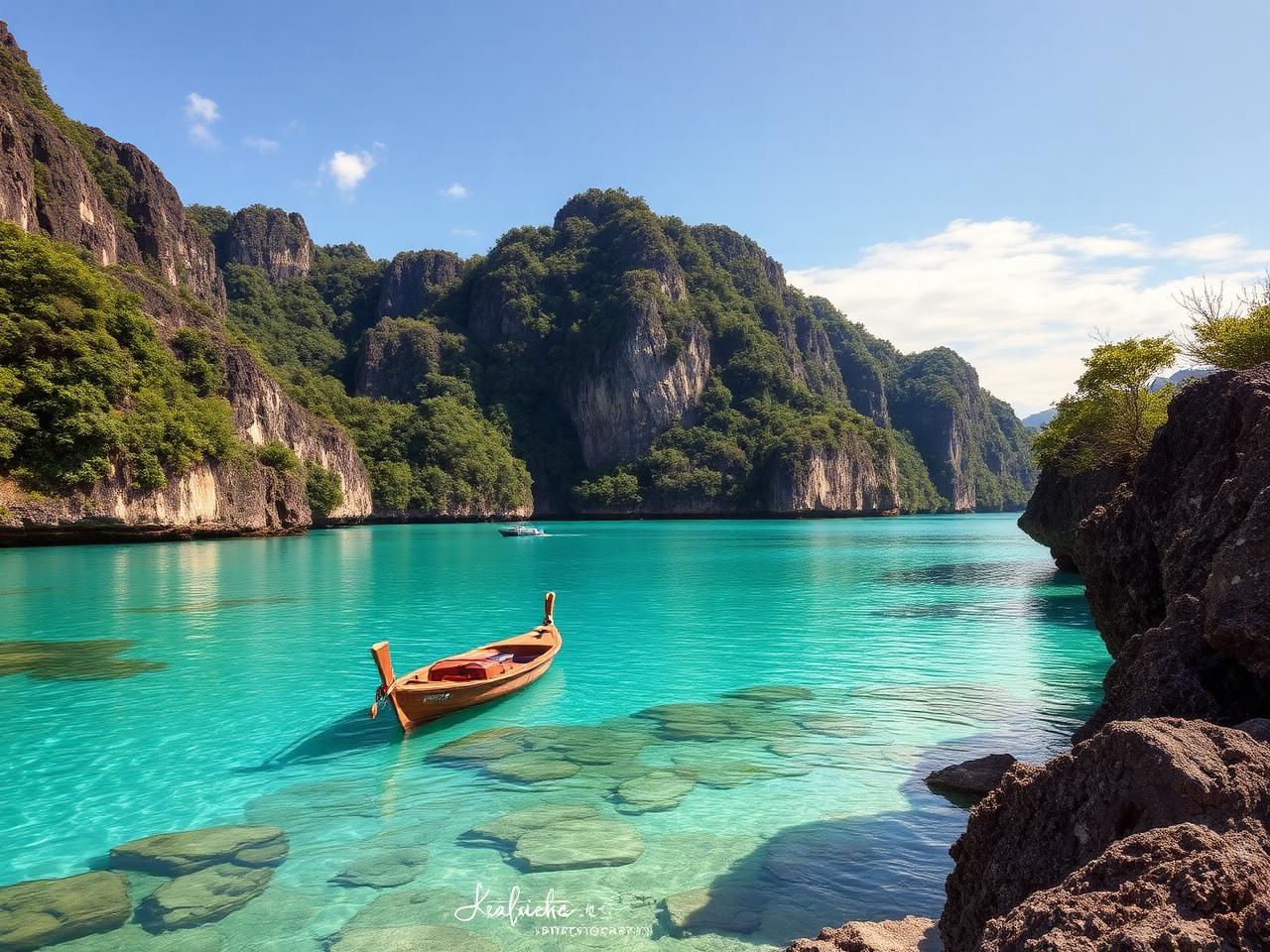
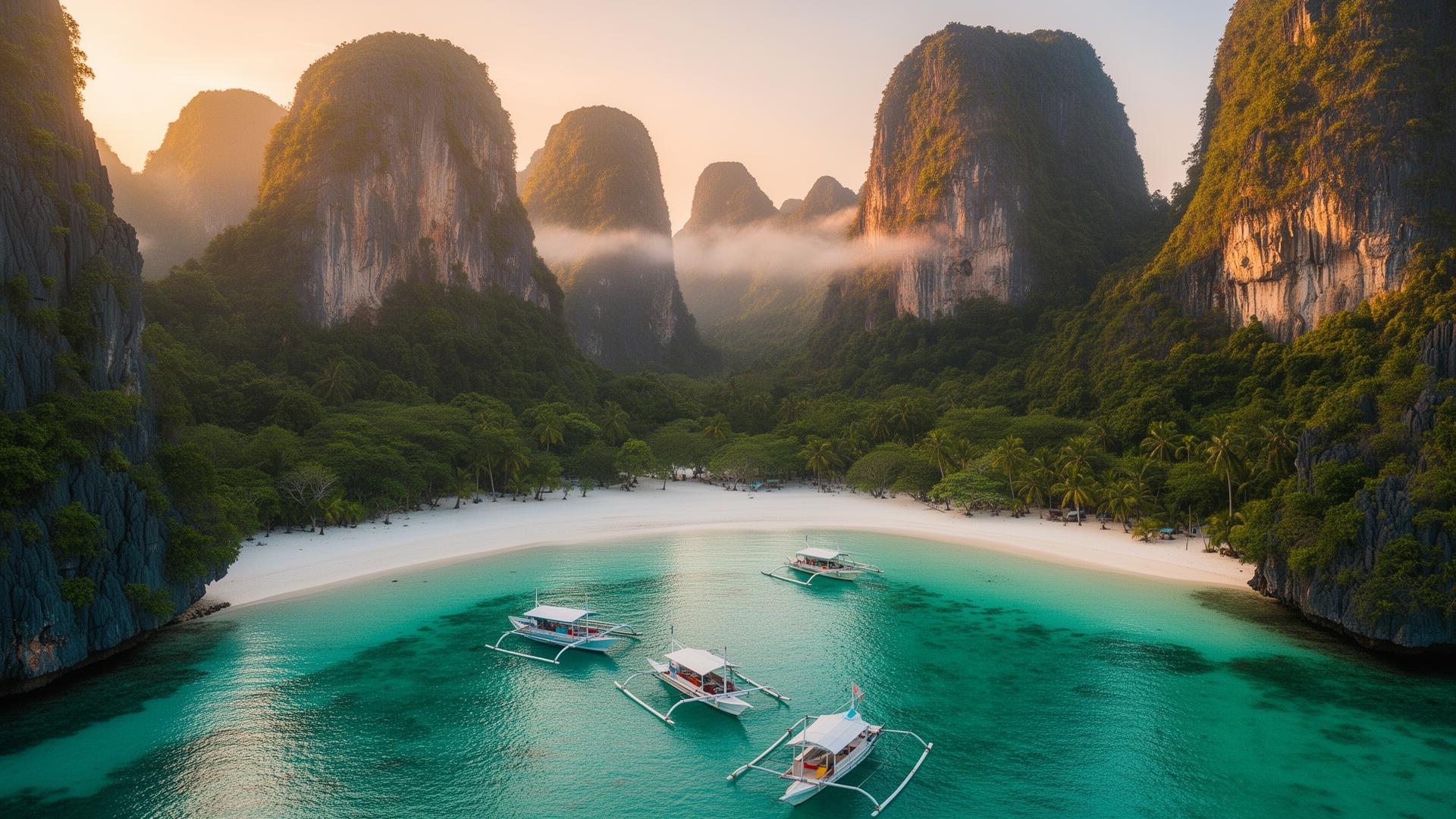
The Philippines is an archipelago of more than 7,000 islands, famous for crystal-clear waters, white-sand beaches, world-class diving, warm locals and breathtaking natural beauty.
From the dramatic limestone cliffs of El Nido and Coron to the surf breaks of Siargao and the Chocolate Hills of Bohol, there's a side of the Philippines for every kind of traveller — backpackers, couples, divers, honeymooners and adventure seekers alike.
It's also brilliant value: cheap local food, affordable domestic flights, and beach resorts that range from £15 hostels to £500 private islands.
This guide covers everything you actually need: itineraries, real costs, transport that works, the best islands compared honestly, the food worth seeking out, and the practical details — visa, SIM, money, safety — most blogs gloss over.
Philippines destinations map
Tap any destination to jump to its overview. The Philippines divides loosely into Palawan, the Visayas (Cebu, Bohol, Boracay, Negros), Luzon (Manila, Banaue, Vigan) and Mindanao (Siargao, Camiguin).
Best places to visit in the Philippines
From the lagoons of Palawan to the surf of Siargao and the heritage hills of Luzon, here are the destinations worth building a Philippines trip around — what each is like, how long to stay and who they suit best.
Palawan · Island hopping
El Nido
Towering limestone cliffs, hidden lagoons and the most famous island-hopping tours in the Philippines.
Palawan · Diving
Coron
Crystal lakes, WWII shipwreck dives and dramatic karst scenery — Palawan's other gem.
Mindanao · Surf
Siargao
Cloud 9 surf, lagoons and a chilled island-café atmosphere loved by digital nomads.
Visayas · Beach
Boracay
Powder-soft White Beach, sunset sailing and the country's best beach-bar scene.
Visayas · Nature
Bohol
Chocolate Hills, tiny tarsiers and the white beaches of Panglao Island.
Visayas · Adventure
Cebu
Kawasan Falls canyoneering, whale-shark snorkelling and the Moalboal sardine run.
Bohol · Beach
Panglao
Alona Beach, turtle dives and easy island living — the gateway to Bohol.
Cebu · Diving
Moalboal
Shore dives, the famous sardine run and Pescador Island just offshore.
Luzon · Capital
Manila
Intramuros, rooftop bars and Binondo Chinatown — usually a 1–2 night arrival stop.
Luzon · Mountains
Banaue & Batad
UNESCO rice terraces carved into the Cordillera mountains — Philippines' inland highlight.
Luzon · Heritage
Vigan
Spanish colonial cobbled streets and a UNESCO-listed old town.
Mindanao · Off-beat
Camiguin
Volcanic island with hot springs, waterfalls and a sunken cemetery snorkel.
Visayas · Hidden
Siquijor
Quiet beaches, waterfalls and mystical local folklore.
Negros · Turtles
Apo Island
Tiny marine sanctuary famed for snorkelling with sea turtles.
Cebu · Diving
Malapascua
The only place in the world to reliably dive with thresher sharks at sunrise.
Palawan · Quiet
Port Barton
Sleepy alternative to El Nido — slower pace, fewer crowds, great snorkelling.
Things to see and do in the Philippines
From El Nido's lagoons to Siargao's surf, Bohol's tarsiers and Cebu's canyoneering — these are the experiences worth building each leg of your Philippines trip around, grouped by island.
Palawan
Explore El Nido
- Big Lagoon kayaking
- Small Lagoon swim
- Secret Lagoon
- Hidden Beach
- Seven Commandos Beach
- Island hopping Tours A–D
- Nacpan Beach sunset
- Las Cabanas viewpoint
Palawan
Discover Coron
- Kayangan Lake
- Barracuda Lake
- Twin Lagoon
- Siete Pecados snorkel
- WWII shipwreck dives
- Mt Tapyas viewpoint
- Maquinit Hot Springs
Mindanao
Surf & chill in Siargao
- Cloud 9 surf break
- Sugba Lagoon paddle
- Magpupungko Rock Pools
- Naked, Daku & Guyam Islands
- Coconut View Deck
- Sunset at General Luna
Visayas
Explore Bohol
- Chocolate Hills viewpoint
- Tarsier Sanctuary
- Loboc River cruise
- Panglao Island beaches
- Balicasag Island snorkel
- Hinagdanan Cave
Visayas
Relax in Boracay
- Sunset sailing on a paraw
- White Beach Stations 1–3
- Puka Beach
- Mount Luho viewpoint
- Diniwid Beach sunset
- Beach bar hopping
Visayas
Adventure in Cebu
- Kawasan Falls canyoneering
- Moalboal sardine run
- Pescador Island dive
- Whale sharks at Oslob (ethics vary)
- Bantayan Island beaches
- Malapascua thresher sharks
Luzon
Discover Manila
- Intramuros walking tour
- Rizal Park
- National Museum
- Binondo Chinatown food tour
- Rooftop bars in BGC
- Day trip to Tagaytay
Cordillera
Trek Luzon's Mountains
- Batad rice terraces
- Banaue viewpoints
- Sagada hanging coffins
- Mount Pulag sunrise
- Vigan colonial old town
Best Philippines itineraries
How long do you need? The Philippines rewards slow trips — flights and ferries between islands eat time. Here are five route lengths that consistently work.
Palawan Highlights
Manila → El Nido → Coron with island hopping and snorkelling.
Best for: Short first trips
Palawan & Siargao
El Nido, Coron and Siargao surf + lagoons — the classic 2-week loop.
Best for: First-time visitors
Visayas Island Hop
Cebu, Bohol, Siquijor and a few hidden Negros stops.
Best for: Beach & diving lovers
Best of the Philippines
Palawan, Bohol, Cebu and Siargao with domestic flights.
Best for: Most travellers
Philippines Grand Tour
Add Banaue rice terraces, Camiguin and Malapascua to a 3-week route.
Best for: Backpackers & slow trips
Best time to visit the Philippines
The Philippines has two main seasons: a dry season (November–April) and a wet season (May–October). The dry months are best for beaches, diving and island hopping. Typhoon risk peaks July–October.
Palawan ⭐
November–May — dry, calm seas, perfect for island hopping.
Boracay ⭐
November–May — picture-perfect beach weather.
Cebu & Bohol ⭐
December–May — sunny, dry and ideal for diving.
Siargao
March–October overall, with surf conditions varying year-round.
Avoid
August–September: peak typhoon risk on the eastern islands.
Overall best months
January, February, March and November.
Philippines budget guide
The Philippines is brilliant value at every level. Here's what each tier actually looks like day-to-day, with realistic daily, weekly and 2-week estimates.
Backpacker
£25 – £45 / day
£175 – £315 / week · £350 – £630 / 2 weeks
- Accommodation: Hostels & guesthouses · £6–15
- Food: Carinderias, adobo, sinigang · £2–5
- Transport: Tricycles, ferries, shared vans
- Activities: Shared island hopping, snorkelling
Mid-Range
£60 – £120 / day
£420 – £840 / week · £840 – £1,680 / 2 weeks
- Accommodation: Boutique hotels & beach resorts · £35–80
- Food: Mix of local & Western restaurants
- Transport: Domestic flights, Grab, private vans
- Activities: Private tours, diving, canyoneering
Luxury
£180 – £500+ / day
£1,260 – £3,500 / week · £2,520 – £7,000 / 2 weeks
- Accommodation: 5★ beach resorts · £180–500+
- Food: Fine dining & beach clubs
- Transport: Private transfers & charters
- Activities: Private boats, liveaboards, spa
Sample mid-range day in El Nido
Breakfast £4 · joined island-hop Tour A £25 · scooter rental £6 · beach beer £2 · seafood dinner £12 · boutique room £45 = £94
Money-saving tips for the Philippines
The Philippines is already excellent value, but these are the small habits that quietly cut a 2-week trip cost by 20–30% without sacrificing the experience.
Philippines transport guide
The Philippines' scale means flights and boats do most of the heavy lifting. Domestic flights connect the islands, ferries and bangkas handle the short hops, and Grab covers the cities.
Fastest way between islands — Manila, Cebu, Palawan, Siargao, Boracay
£20 – £80
Essential for island hopping and regional travel — book ahead in peak season
£5 – £25
Traditional outrigger boats used for island hopping in El Nido, Coron and beyond
£15 – £50
Affordable short-distance transport in towns and on small islands
£0.50 – £3
Iconic shared minibuses — cheap, colourful and used everywhere on the bigger islands
£0.30 – £1
Reliable rideshare in Manila, Cebu and a handful of other cities
£2 – £8
Long-distance shared or private transfers (e.g. Puerto Princesa → El Nido)
£10 – £35
Available on most islands — only for experienced riders with the right licence
£4 – £10 / day
Stress-free door-to-door — common for airport → resort hops
£20 – £80
Multi-day boat trips between El Nido and Coron, or Tubbataha Reef diving
£200 – £600+ / trip
Where to stay in the Philippines
Each Philippine island has neighbourhoods with completely different personalities. Use this as a shortlist before opening Booking.com or Agoda.
El Nido
Best for
Recommended areas
- El Nido Town
- Corong Corong
- Las Cabanas
Coron
Best for
Recommended areas
- Coron Town
- Coron waterfront
Siargao
Best for
Recommended areas
- General Luna
- Cloud 9
- Malinao
Boracay
Best for
Recommended areas
- Station 1 (luxury)
- Station 2 (lively)
- Station 3 (quieter)
Cebu
Best for
Recommended areas
- Cebu City
- Moalboal
- Mactan Island
Bohol
Best for
Recommended areas
- Panglao
- Alona Beach
- Anda
Best food to try in the Philippines
Filipino food is comforting, salty-sweet and built around shared plates. Adobo, sinigang and lechon anchor the menu, with regional specialities everywhere.
Adobo
The unofficial national dish — chicken or pork stewed in soy sauce, vinegar and garlic.
Sinigang
Sour tamarind soup with pork, prawns or fish — comfort food in a bowl.
Lechon
Whole spit-roasted pig — crispy skin, tender meat. Cebu's version is world-famous.
Kare-Kare
Oxtail and vegetables in a rich peanut sauce, served with shrimp paste.
Sisig
Sizzling chopped pork with onion, chilli and calamansi — best paired with a cold beer.
Halo-Halo
Iconic dessert of shaved ice, fruit, beans, jelly, leche flan and ube ice cream.
Pancit
Filipino noodles in many regional styles — bihon, canton, palabok.
Lumpia
Crispy spring rolls — a fiesta staple.
Tinola
Light ginger chicken soup with green papaya and chilli leaves.
Bicol Express
Spicy pork stew cooked in coconut milk and chilli.
Fresh Seafood
Excellent and cheap on every island — try the El Nido and Siargao grills.
Calamansi Juice
The small native citrus that flavours half of Filipino cooking.
Ube
Vibrant purple yam used in cakes, ice cream and traditional sweets.
Top experiences in the Philippines
Beyond the obvious beaches, these are the experiences travellers consistently call out as Philippines highlights.
Philippines for different travel styles
Solo travel
El Nido, Coron, Siargao and Boracay are easy and social for solo travellers.
Couples
Private island resorts in Palawan, Panglao villas and Boracay sunsets.
Families
Bohol, Boracay and Panglao have calm beaches and easy logistics with kids.
Luxury
Amanpulo, El Nido island resorts, Shangri-La Boracay and private bangka charters.
Backpackers
Cheap hostels, shared island tours and a huge English-speaking scene.
Digital nomads
Siargao is the Philippines' nomad hub — cafés, surf, decent WiFi.
Adventure
Canyoneering in Cebu, surf in Siargao, volcanoes in Luzon, treks in Banaue.
Divers
Coron wrecks, Apo Reef, Tubbataha, Malapascua threshers and Moalboal sardines.
Honeymooners
Private resorts in Palawan, Boracay and Panglao deliver classic tropical luxury.
Philippines safety guide
The Philippines is generally welcoming and tourist-friendly. Established tourist islands like El Nido, Coron, Siargao, Bohol and Boracay are safe — the two real risks are scooter accidents and weather disruptions (typhoons, strong currents).
General safety
Keep valuables secure in Manila and busy ferry terminals. Tourist islands are very safe.
Scooter safety
Wear a helmet, ride with a valid licence and insure yourself properly.
Weather hazards
Typhoon season (Jul–Oct) can disrupt flights and ferries — build buffer days in.
Beach safety
Observe warning flags. Watch for rip currents. Wear life jackets on bangka boats.
Transport
Allow extra time when connecting flights and ferries — weather delays are common.
Common scams
Taxi overcharging in Manila (use Grab), fake tour operators — book through your hotel.
Food & water
Drink bottled or filtered water. Busy local carinderias are usually the safest food.
Solo travel
Tourist hotspots are well-established and busy with solo travellers year-round.
Emergency numbers
Emergency hotline: 911 · Tourist Police: (02) 8524 1660 · Coast Guard: (02) 8527 8481
Practical information
Money & ATMs
Cash is essential. ATMs are widespread on big islands; bring extra to small ones.
Cards
Visa & Mastercard accepted in resorts, malls and chain restaurants.
SIM cards & eSIMs
Smart and Globe are the main carriers. Airalo eSIMs work in 60 seconds.
Internet & WiFi
Decent in tourist islands; patchy in remote spots. Mobile data is the most reliable.
Plugs & power
Type A, B and C sockets · 220V / 60Hz. Universal adapter recommended.
Tipping
Not required — 10% service charge often added. 50–200 PHP for guides and drivers.
Dress code
Casual everywhere; modest at churches and mountain villages.
Language
Filipino and English — English is widely spoken, signage is bilingual.
Useful Filipino
Kamusta (hello), Salamat (thanks), Magkano? (how much?), Masarap (delicious).
Healthcare
Good private hospitals in Manila and Cebu. Travel insurance essential.
Vaccinations
None required. Hepatitis A, Typhoid and Tetanus commonly recommended.
Visa
Most nationalities get 30 days visa-free on arrival, extendable in-country.
Essential apps for the Philippines
These are the apps actually worth downloading before you fly.
Grab
Rideshare in Manila, Cebu and a few other cities
12Go
Ferries, vans and domestic flights in one search
Cebu Pacific
Cheapest domestic flights — book direct
Philippine Airlines
The other major domestic carrier
Klook
Tours, transfers and attraction tickets
Google Maps
Reliable across all major islands
Google Translate
Useful for menus and rural areas
Airalo
eSIMs in 60 seconds — Smart and Globe coverage
Wise
Cheap currency transfers to PHP
Booking.com
Free cancellation — best for flexible trips
Agoda
Often has the best rates in Asia
XE Currency
Quick GBP ↔ PHP conversions
Philippines FAQs
The most common questions about travelling in the Philippines, answered honestly.
Is the Philippines cheap to travel?
Yes — the Philippines is excellent value. Backpackers spend £25–45 per day, mid-range travellers £60–120, and luxury travellers £180+. Local meals cost £2–5 and beers are around £1.50–3.
How many weeks should I spend in the Philippines?
2 weeks is the sweet spot for one region (Palawan or Visayas). 3–4 weeks lets you combine Palawan, the Visayas and Siargao at a relaxed pace.
Is the Philippines safe for solo travellers?
Yes — established tourist islands like El Nido, Coron, Siargao, Bohol and Boracay are very safe and easy for solo travel. Standard awareness applies, especially in Manila.
What's the best month to visit the Philippines?
November to April is the dry season and best overall. February and March give the most reliable beach weather; January and December are peak.
Which island is best for first-time visitors?
Palawan (El Nido and Coron) is the most iconic first trip. Add Bohol or Siargao if you have more time.
Is El Nido or Coron better?
Both — they're different. El Nido has the lagoons and best island-hopping tours; Coron has clearer lakes, dramatic karst scenery and the best wreck diving. Most travellers do both.
Do I need cash in the Philippines?
Yes — cash is essential outside resorts. Cards are accepted in hotels and bigger restaurants, but tours, ferries, tricycles and most food stalls are cash-only.
Can you island hop around the Philippines?
Absolutely — it's one of the world's best island-hopping destinations. Use domestic flights for long jumps and ferries/bangkas for nearby islands.
Is the Philippines good for backpackers?
Yes — cheap dorms, cheap food, English everywhere and a strong social scene in El Nido, Coron, Siargao and Boracay.
Do I need a visa for the Philippines?
Most nationalities (UK, EU, US, Australia) get 30 days visa-free on arrival, extendable in-country. Always check the official requirements before flying.
Can I drink tap water in the Philippines?
No — drink bottled or filtered water. Most accommodations provide refill stations.
What's the best Philippines itinerary?
For 2 weeks: Manila → El Nido (4) → Coron (3) → Cebu/Bohol (4–5). Add Siargao if you have 3+ weeks.
Is it safe to ride a scooter in the Philippines?
Only for experienced riders with the right licence and insurance. Roads on small islands like Siargao are fine; bigger cities are chaotic.
Are credit cards widely accepted?
Visa and Mastercard work in resorts, malls and chain restaurants. Amex is patchy. You'll still need cash daily.
How is the WiFi and internet?
Decent in resorts and cafés on tourist islands; patchier on remote ones. Airalo eSIMs (Smart/Globe) give the easiest mobile data.
What are the best beaches in the Philippines?
White Beach (Boracay), Nacpan (El Nido), Seven Commandos, Alona (Panglao), Cloud 9 (Siargao), Tanjung-style coves in Palawan and Apo Island.
When is typhoon season in the Philippines?
Roughly July to October, with the highest risk in August and September. Eastern Philippines (Samar, Leyte) and northern Luzon are most affected.
Should I take an El Nido–Coron expedition boat?
If you have the time, yes — 3–5 day expedition boats between El Nido and Coron sleep on remote islands and are one of the trip highlights.
Do I need travel insurance for the Philippines?
Yes — non-negotiable. Make sure your policy covers scooter riding (often excluded) and adventure activities like diving and canyoneering.
Are vaccinations required for the Philippines?
No vaccinations are required for entry. Hepatitis A, Typhoid and Tetanus are commonly recommended — speak to a travel clinic before flying.
Is the Philippines LGBTQ+ friendly?
Generally welcoming, particularly in Manila, Cebu and tourist islands. Public displays of affection are discreet but rarely an issue in resort areas.
What plug type does the Philippines use?
Type A, B and C sockets at 220V/60Hz. A universal adapter covers you.
Is tipping expected in the Philippines?
Not traditionally — many restaurants add a 10% service charge. Tipping guides, drivers and boat crews 50–200 PHP is appreciated.
Can I visit the Philippines during the wet season?
Yes — rain often falls as short tropical showers and prices drop significantly. Avoid typhoon-prone weeks if you're island hopping.
How early should I book accommodation in the Philippines?
Christmas, New Year and Holy Week book out months ahead, especially in El Nido and Boracay. Off-season a week or two is fine.