Why visit Japan
Japan is a country where ancient traditions meet futuristic innovation. From centuries-old temples and peaceful bamboo forests to neon-lit cities and world-class public transport, it's one of the most rewarding destinations in Asia.
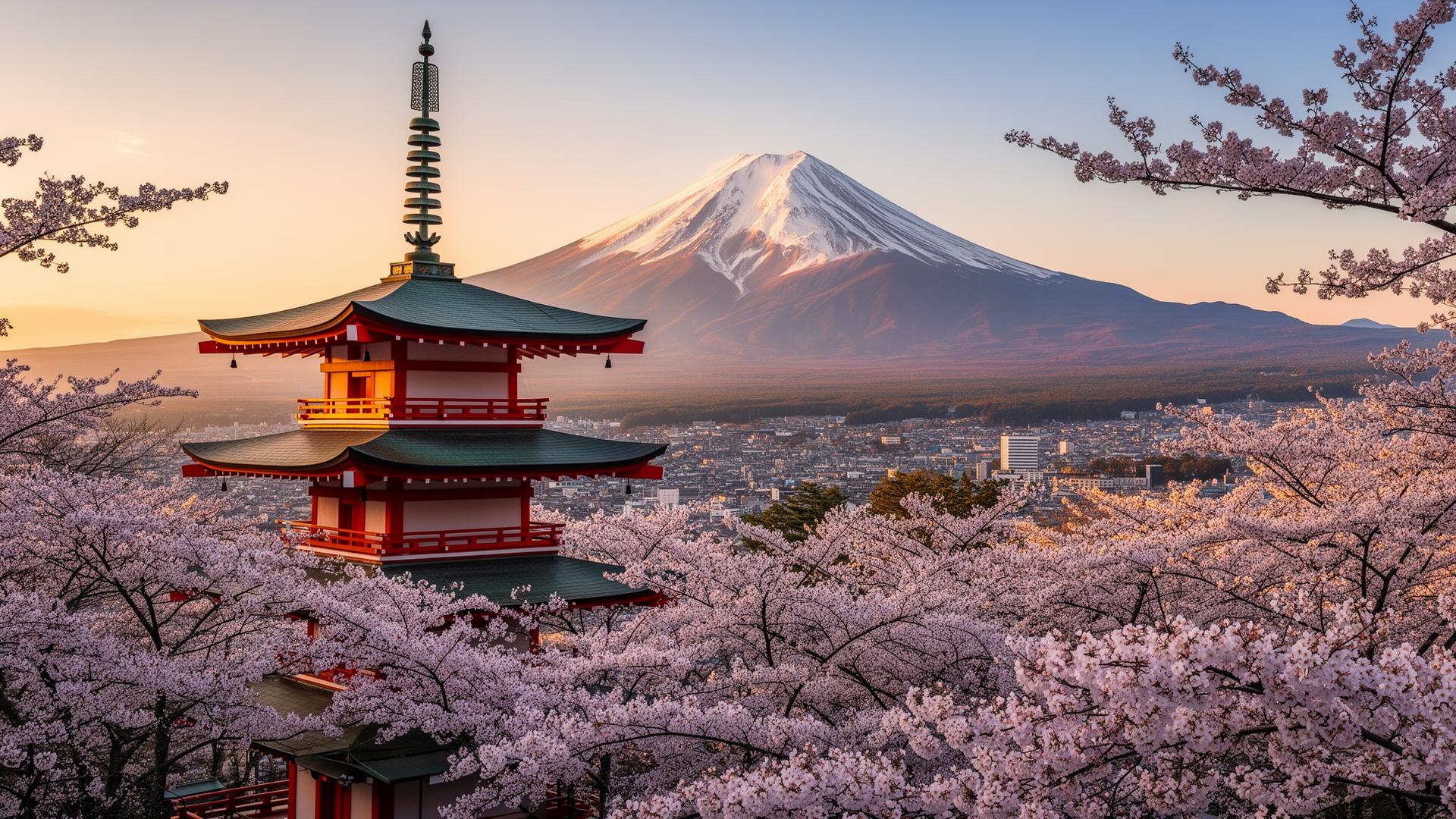
Whether you're visiting during cherry blossom season, skiing in Hokkaido, exploring Tokyo's endless neighbourhoods or discovering traditional villages in the Japanese Alps, every region offers something completely unique.
Japan is incredibly clean, extremely safe and easy to navigate thanks to its efficient transport system, making it an excellent destination for solo travellers, couples, families and first-time visitors alike.
Value for money is better than most expect. Yes, flights aren't cheap — but a convenience store breakfast costs £3, a great bowl of ramen £6, and a single metro ride £1.50. The biggest costs are accommodation in peak season and the Shinkansen for long routes.
And then there's the food. Japanese cuisine is arguably the deepest food culture on earth — from a £5 ramen counter to a £200 omakase sushi bar, every level rewards you. Convenience stores like 7-Eleven and FamilyMart genuinely deserve their global reputation.
This guide covers everything you actually need to plan a trip: the best destinations, real itineraries, transport that works, the food worth seeking out, and the practical details — visa, SIM, money, etiquette — most blogs gloss over.
Japan destinations map
Tap any destination to jump to its overview. Japan divides loosely into Kanto (Tokyo, Hakone, Nikko), Kansai (Kyoto, Osaka, Nara), the Japanese Alps (Takayama, Kanazawa), the west (Hiroshima, Miyajima), the north (Hokkaido) and the southern islands.
Best places to visit in Japan
From electric Tokyo to ancient Kyoto and powdery Hokkaido, here are the destinations worth building a Japan trip around — what each is like, how long to stay and who they suit best.
Capital · Mega-city
Tokyo
Endless neighbourhoods, world-class food, neon nightlife, anime, technology and culture all in one electric city.
Kansai · Tradition
Kyoto
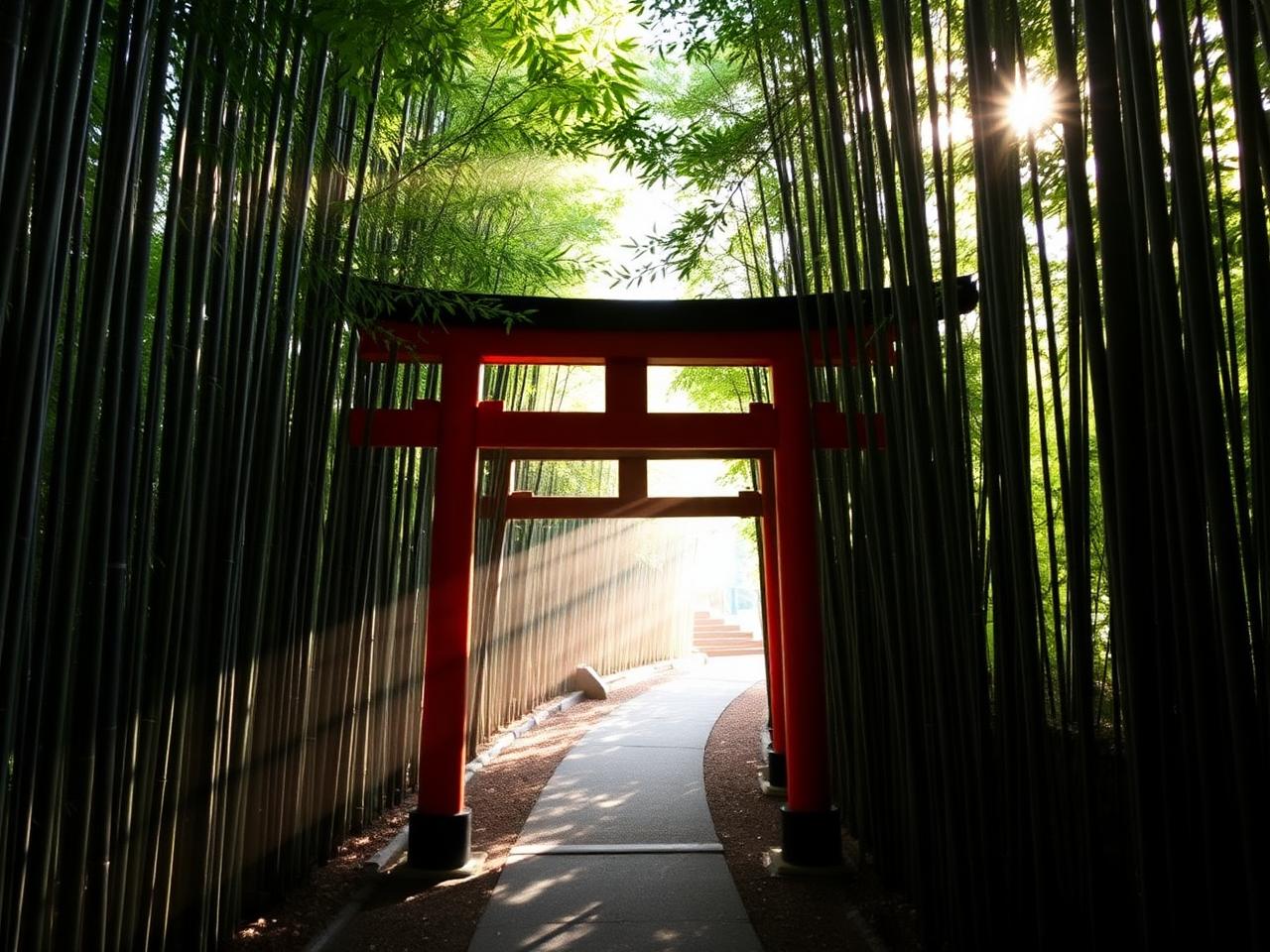
Thousand-year-old temples, geisha districts, bamboo groves and Japan's most beautiful traditional streets.
Kansai · Food
Osaka
Japan's kitchen — Dotonbori neon, street food, friendly locals and Universal Studios nearby.
Central · Nature
Mount Fuji & Hakone
Iconic views, ryokan stays, onsens and Lake Kawaguchiko reflections.
Kansai · Day trip
Nara
Free-roaming deer, Todai-ji's giant Buddha and tranquil traditional gardens.
West · History
Hiroshima & Miyajima
Peace Memorial Park and the floating torii of Itsukushima Shrine.
North · Snow
Hokkaido
Powder skiing in Niseko, Sapporo's snow festival, hot springs and wide open national parks.
Central · Culture
Kanazawa
Samurai districts, Kenrokuen garden and one of Japan's best-preserved old towns.
Alps · Traditional
Takayama
Edo-era streets, morning markets and a base for the Japanese Alps.
Alps · UNESCO
Shirakawa-go
Storybook gassho-zukuri farmhouses in a snowy mountain valley.
Kanto · Shrines
Nikko
Ornate UNESCO shrines, waterfalls and forested mountains — an easy trip from Tokyo.
Kanto · Coast
Kamakura
Giant Buddha, hiking trails and surfy beaches an hour from Tokyo.
Kansai · Spiritual
Koyasan
Stay overnight in a working Buddhist temple in the misty cedar forests of Mount Koya.
South · Nature
Yakushima
Ancient cedar forests that inspired Princess Mononoke — wild, remote and beautiful.
Things to see and do in Japan
From temple-hopping in Kyoto to skiing the powder in Niseko, these are the experiences worth building each leg of your Japan trip around — grouped by region so you can mix and match.
Capital
Explore Tokyo
- Shibuya Crossing
- Senso-ji Temple
- Tokyo Skytree
- Meiji Shrine
- Harajuku & Omotesando
- Akihabara
- TeamLab experiences
- Ueno Park
- Tsukiji Outer Market
Tradition
Visit Kyoto
- Fushimi Inari Shrine
- Kinkaku-ji (Golden Pavilion)
- Arashiyama Bamboo Grove
- Gion District
- Nishiki Market
- Kiyomizu-dera Temple
Food
Discover Osaka
- Dotonbori at night
- Osaka Castle
- Kuromon Market
- Universal Studios Japan
- Shinsekai
- Umeda Sky Building
Nature
Mount Fuji
- Fuji Five Lakes
- Chureito Pagoda viewpoint
- Hike to the summit (summer only)
- Lake Kawaguchiko
- Scenic ropeway viewpoints
Day trip
Experience Nara
- Free-roaming deer in Nara Park
- Todai-ji Temple & Great Buddha
- Kasuga Taisha Shrine
- Traditional gardens
North
Explore Hokkaido
- Powder skiing in Niseko
- Sapporo Snow Festival
- Hot springs (onsen)
- Wildlife in national parks
- Furano lavender fields (summer)
West
Hiroshima & Miyajima
- Peace Memorial Park
- Atomic Bomb Dome
- Miyajima Island
- The floating Torii gate
Off-beat
Hidden Gems
- Kanazawa
- Takayama
- Shirakawa-go
- Nikko
- Hakone
- Yakushima
- Kamakura
- Koyasan
Best Japan itineraries
How long do you need? Honestly, more than you think. Here are five route lengths that consistently work, from a quick Golden Route to a full three-week trip.
Classic First Taste
Tokyo → Hakone → Kyoto with a Nara day trip.
Best for: Short first trips
Golden Route
Tokyo, Hakone, Kyoto, Nara and Osaka.
Best for: First-time visitors
Most Popular Route
Tokyo, Hakone, Kyoto, Osaka, Hiroshima & Miyajima.
Best for: Most travellers
Complete Japan
Add Kanazawa, Takayama, Hokkaido or Yakushima.
Best for: Slow, in-depth trips
Winter Powder
Tokyo → Niseko / Hokkaido with onsen stops.
Best for: Skiers & snowboarders
Best time to visit Japan
Japan has four very distinct seasons. Spring (Mar–May) brings cherry blossoms and mild weather. Autumn (Sep–Nov) rivals it for beauty. Summer is hot and humid with brilliant festivals; winter brings world-class skiing and crisp clear skies.
Spring (Mar–May) ⭐
Cherry blossoms, mild temperatures, gardens, festivals — peak season.
Summer (Jun–Aug)
Hot and humid in cities, perfect for hiking the Alps and summer festivals.
Autumn (Sep–Nov) ⭐
Glorious foliage, comfortable weather — one of the best times to visit.
Winter (Dec–Feb)
Skiing, snowboarding, onsens and snow festivals, especially in Hokkaido.
Japan budget guide
Japan can be done on almost any budget. Here's what each tier actually looks like day-to-day, with realistic daily, weekly and 2-week estimates.
Budget
£50 – £80 / day
£350 – £560 / week · £700 – £1,120 / 2 weeks
- Accommodation: Capsules, hostels · £18–35
- Food: Convenience stores, ramen · £3–8
- Transport: Local trains, IC card
- Activities: Free temples, parks, walking
Mid-Range
£100 – £180 / day
£700 – £1,260 / week · £1,400 – £2,520 / 2 weeks
- Accommodation: Business hotels · £45–160
- Food: Great restaurants & cafés
- Transport: Shinkansen between cities
- Activities: Museums, day tours, onsens
Luxury
£250 – £600+ / day
£1,750 – £4,200 / week · £3,500 – £8,400 / 2 weeks
- Accommodation: 5★ hotels & ryokans · £180–500+
- Food: Fine dining, kaiseki, sushi omakase
- Transport: Green car Shinkansen, private
- Activities: Private guides, high-end experiences
Sample mid-range day in Kyoto
Coffee & pastry £4 · metro day pass £5 · temple entries £8 · ramen lunch £7 · Arashiyama half-day £15 · matcha & wagashi £6 · izakaya dinner £22 · business hotel £75 = £142
Money-saving tips for Japan
Japan rewards small, smart choices. These are the habits that quietly trim 20–30% off a 2-week trip without sacrificing the experience.
Japan transport guide
Japan's transport system is genuinely the best in the world — fast, punctual to the minute and easy to navigate. The Shinkansen makes city-to-city travel effortless; IC cards make daily transit a tap-and-go affair.
Fast, comfortable city-to-city — Tokyo↔Kyoto in 2h15
£25 – £120+
Extensive, punctual and easy to use
£1 – £5
Excellent in major cities — use an IC card
£1 – £3
Tap-and-go for trains, buses and convenience stores
Top up as needed
Useful in rural areas and Kyoto's centre
£1.50 – £3
Cheapest way between major cities
£15 – £45
Best for Hokkaido, Okinawa and far south
£40 – £150
Spotless but pricey — flag fall around £4
From £4
Cities are extremely walkable and safe
Free
Worth it for long routes — price the trip first
£280+ (7 days)
Where to stay in Japan
Each Japanese city has neighbourhoods with completely different personalities. Use this as a shortlist before opening Booking.com or Agoda.
Tokyo
Best for
Recommended areas
- Shinjuku
- Shibuya
- Ginza
- Ueno
- Asakusa
Kyoto
Best for
Recommended areas
- Gion
- Downtown Kyoto
- Kyoto Station
- Higashiyama
Osaka
Best for
Recommended areas
- Namba
- Umeda
- Dotonbori
Hakone
Best for
Recommended areas
- Hakone-Yumoto
- Gora
- Sengokuhara
Hokkaido
Best for
Recommended areas
- Sapporo
- Niseko
- Furano
Kanazawa
Best for
Recommended areas
- Kenrokuen area
- Higashi Chaya
Takayama
Best for
Recommended areas
- Old Town
- Sanmachi Suji
Best food to try in Japan
Japan is one of the great food countries of the world. Eat widely, eat at counters, queue where the locals queue — and don't skip the convenience stores.
Sushi
From conveyor-belt kaiten to a £200 omakase counter — Japan does sushi unlike anywhere else.
Ramen
Regional styles vary wildly — try tonkotsu in Fukuoka, miso in Sapporo, shoyu in Tokyo.
Tempura
Lightly battered seafood and vegetables — best at a small specialist counter.
Tonkatsu
Crispy breaded pork cutlet served with shredded cabbage and rice.
Okonomiyaki
Savoury Osaka-style pancake stuffed with cabbage, pork and seafood.
Takoyaki
Osaka's famous golf-ball-sized octopus fritters.
Yakitori
Charcoal-grilled chicken skewers — a perfect izakaya night.
Soba & Udon
Cold or hot noodles — soba is buckwheat, udon is thick and chewy.
Kaiseki
Multi-course traditional Japanese fine dining — best experienced in a ryokan.
Wagyu Beef
Kobe, Matsusaka, Hida — melt-in-the-mouth marbled beef.
Onigiri
Rice balls from convenience stores — surprisingly excellent.
Matcha & Wagashi
Powdered green tea and traditional sweets, especially in Kyoto.
Mochi & Dorayaki
Sweet sticky rice cakes and red-bean pancakes.
Top experiences in Japan
Beyond the obvious sights, these are the experiences travellers consistently call out as Japan highlights.
Japan for different travel styles
Solo travel
One of the safest and easiest countries in the world to travel alone.
Couples
Ryokan stays, onsens, Mount Fuji views and unforgettable food.
Families
Clean, safe, easy transport, theme parks and culture in equal measure.
Luxury
World-class ryokans, Michelin-starred restaurants and private guides.
Backpackers
Capsule hotels, JR passes and an enormous range of free attractions.
Digital nomads
Reliable WiFi, beautiful cafés and brilliant infrastructure.
Adventure
Skiing Hokkaido, hiking the Alps and surfing in Kamakura or Shikoku.
Wellness
Onsens, forest bathing, meditation retreats and ryokan stays.
Foodies
Arguably the deepest food culture on earth — from ramen counters to kaiseki.
Japan safety guide
Japan is consistently ranked among the safest countries in the world. Violent crime against tourists is extremely rare, and lost property is often returned. The two things to plan for are natural hazards (earthquakes and typhoons) and respecting local customs.
General safety
Crime rates are extremely low. Solo travel — including for women — is very common.
Public transport
Safe even late at night. Stations have clear English signage.
Earthquakes
Common but usually minor. Buildings are quake-resistant; download an alert app.
Typhoons
Most likely between summer and autumn — follow local guidance.
Cash & ATMs
Carry some cash, especially in rural areas. 7-Eleven ATMs accept foreign cards.
Etiquette
Queue politely, speak quietly on transport, remove shoes where required.
Language barrier
Learn a few basic Japanese phrases — Google Translate fills the rest.
LGBTQ+ travellers
Tokyo and Osaka are particularly welcoming; travel is comfortable nationwide.
Emergency numbers
Police: 110 · Ambulance / Fire: 119 · Japan Visitor Hotline: 050-3816-2787
Practical information
Money & ATMs
Carry cash daily. 7-Eleven and Japan Post ATMs accept foreign cards 24/7.
Cards
Visa & Mastercard widely accepted in cities; small restaurants & shrines are cash-only.
SIM cards & eSIMs
Airalo eSIMs work in 60 seconds. Pocket WiFi rentals at the airport are also great.
Internet & WiFi
Excellent — free WiFi in cafés, hotels and trains.
Plugs & power
Type A · 100V / 50–60Hz. UK and EU travellers need an adapter.
Tipping
Not expected and can cause confusion. Excellent service is standard.
Dress code
Casual everywhere; modest at shrines and temples; smart for nicer restaurants.
Etiquette
Remove shoes indoors. Don't eat while walking. Queue properly. Don't tip.
Useful Japanese
Sumimasen (excuse me), Arigato gozaimasu (thank you), Oishii (delicious).
Healthcare
Excellent but expensive without insurance — pharmacies are well-stocked.
Vaccinations
None required for entry. Standard travel boosters recommended.
Visa
90 days visa-free for most Western nationalities. Check current rules before flying.
Essential apps for Japan
These are the apps actually worth downloading before you fly.
Google Maps
Reliable, includes train transfers
Google Translate
Camera mode reads Japanese menus
Japan Travel by Navitime
Best for train routes & timings
Suica (mobile)
Add to Apple/Google Wallet for tap-and-go transit
GO Taxi
Reliable taxi app in Japan's cities
Airalo
eSIMs in 60 seconds
Wise
Cheap currency transfers
Booking.com
Best for hotels & flexibility
Agoda
Strong rates across Asia
Klook
Tours, tickets & rail passes
GetYourGuide
Experiences & day trips
TableLog / SavorJapan
Restaurant reviews used by locals
Japan FAQs
The most common questions about travelling in Japan, answered honestly.
Is Japan expensive?
Yes and no. Flights and accommodation can be pricey, but day-to-day costs are surprisingly reasonable — convenience store meals from £3, ramen from £5, world-class metro travel from £1.50. Budget travellers spend £50–80/day; mid-range £100–180; luxury £250+.
How many days do you need in Japan?
10–14 days is the sweet spot for a first trip. 7 days only covers Tokyo and Kyoto; 21 days lets you add Hokkaido, the Japanese Alps or southern islands at a comfortable pace.
Is Japan safe for solo travellers?
Extremely. Japan is consistently ranked among the safest countries in the world. Solo travel — including for women — is very common and public transport is safe even late at night.
Do I need cash in Japan?
Yes. While cards are increasingly accepted in cities, many small restaurants, shrines, and rural businesses are still cash-only. Use 7-Eleven ATMs — they accept foreign cards and are everywhere.
Can I visit Japan without speaking Japanese?
Yes. Signs in major cities and on transport are bilingual, and Google Translate's camera mode reads menus instantly. Learning a few basic phrases (sumimasen, arigato gozaimasu) is appreciated.
What is the best month to visit Japan?
Late March to early May for cherry blossoms, and late October to November for autumn foliage. Both are stunning — and both are peak season, so book early.
Is the Japan Rail Pass worth it?
Only if you're covering long distances. Price your specific route first. A Tokyo–Kyoto–Hiroshima return often justifies the 7-day pass; a slow trip mainly in one region usually doesn't.
Is tipping expected in Japan?
No. Tipping is not part of Japanese culture and can even cause confusion. Excellent service is the standard, not something to reward separately.
Do I need a visa for Japan?
Most Western nationalities (UK, EU, US, Canada, Australia) get 90 days visa-free on arrival. Always check current rules before flying.
What's the best Japan itinerary for first-timers?
The Golden Route: Tokyo (4–5 nights) → Hakone (1 night) → Kyoto (3–4 nights) → Nara (day trip) → Osaka (2 nights). Add Hiroshima & Miyajima if you have 14 days.
Is Japan good for families?
Yes — it's one of the most family-friendly destinations in Asia. Safe, clean, easy transport, fantastic food and tons of activities from theme parks to deer parks.
When is cherry blossom season in Japan?
Late March to early April in Tokyo and Kyoto. Sakura moves north, reaching Hokkaido in early May. Forecasts are published from January — book accommodation early.
Are there earthquakes in Japan?
Yes — small earthquakes are common. Japan has world-leading building codes and emergency systems. Download the NHK World or Yurekuru Call app for alerts.
What plug type does Japan use?
Type A (the same flat two-pin as North America), 100V. UK and EU travellers will need an adapter; most modern electronics handle the voltage.
Can I use my UK/EU phone in Japan?
Yes — buy an Airalo eSIM or rent a pocket WiFi at the airport. Roaming is usually expensive.
Is the WiFi good in Japan?
Excellent in cities. Hotels, cafés and trains often have free WiFi. For constant coverage, an eSIM or pocket WiFi is the easiest option.
What's the best food to try in Japan?
Sushi, ramen, tempura, tonkatsu, okonomiyaki, takoyaki, yakitori, soba, udon, kaiseki and wagyu beef. Convenience store onigiri is a daily highlight.
Can you drink the tap water in Japan?
Yes — Japan's tap water is clean and safe to drink everywhere.
Is Japan good for backpackers?
Yes, though it's pricier than Southeast Asia. Capsule hotels, hostels, convenience store meals and the JR pass keep daily costs around £50–80.
Do I need travel insurance for Japan?
Yes. Healthcare is excellent but expensive without insurance. Make sure your policy covers skiing if you plan to hit Hokkaido or Nagano slopes.
How do I get from the airport to Tokyo?
Narita Express, Skyliner or Limousine Bus from Narita; Tokyo Monorail or Keikyu Line from Haneda. All are cheap, fast and easy to use.
What should I pack for Japan?
Comfortable walking shoes (you'll walk a lot), layers for variable weather, modest clothing for temples, a portable charger and a small day bag.
Is Japan LGBTQ+ friendly?
Tokyo and Osaka have vibrant LGBTQ+ scenes (especially Shinjuku Ni-chome). Same-sex marriage isn't recognised nationally, but travel is comfortable and discrimination is rare.
Should I visit Tokyo or Kyoto?
Both — they're completely different. Tokyo is modern, neon and endless; Kyoto is traditional, calm and beautiful. A first trip should include each.
What's the etiquette in Japan?
Remove shoes when entering homes and many restaurants. Don't tip. Keep quiet on trains. Don't eat while walking. Bow as a greeting. Carry your rubbish until you find a bin.