Why visit Vietnam
Vietnam is one of Southeast Asia's most rewarding destinations, offering everything from dramatic limestone landscapes and world-famous street food to bustling cities, tropical beaches and spectacular mountain scenery.
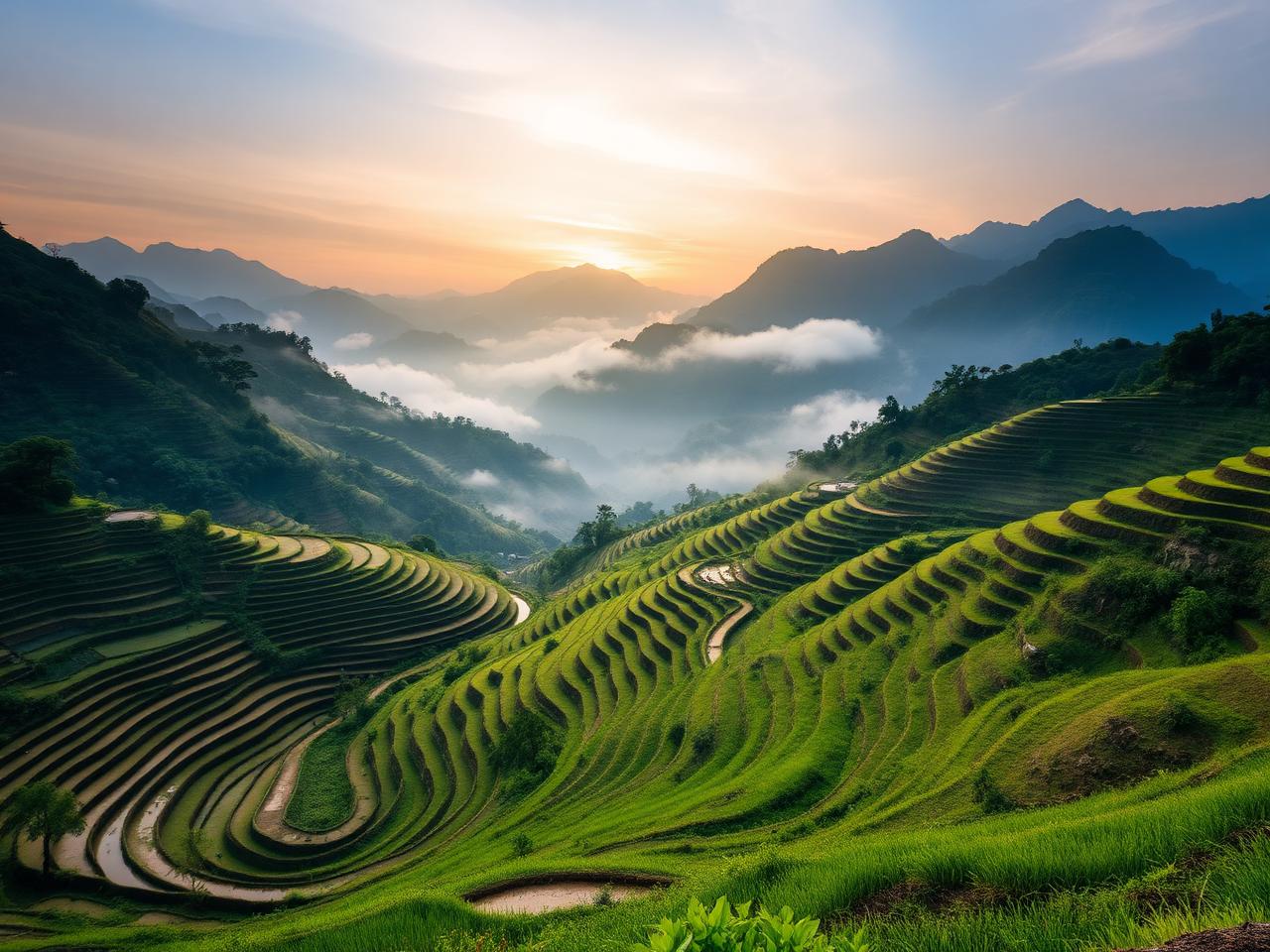
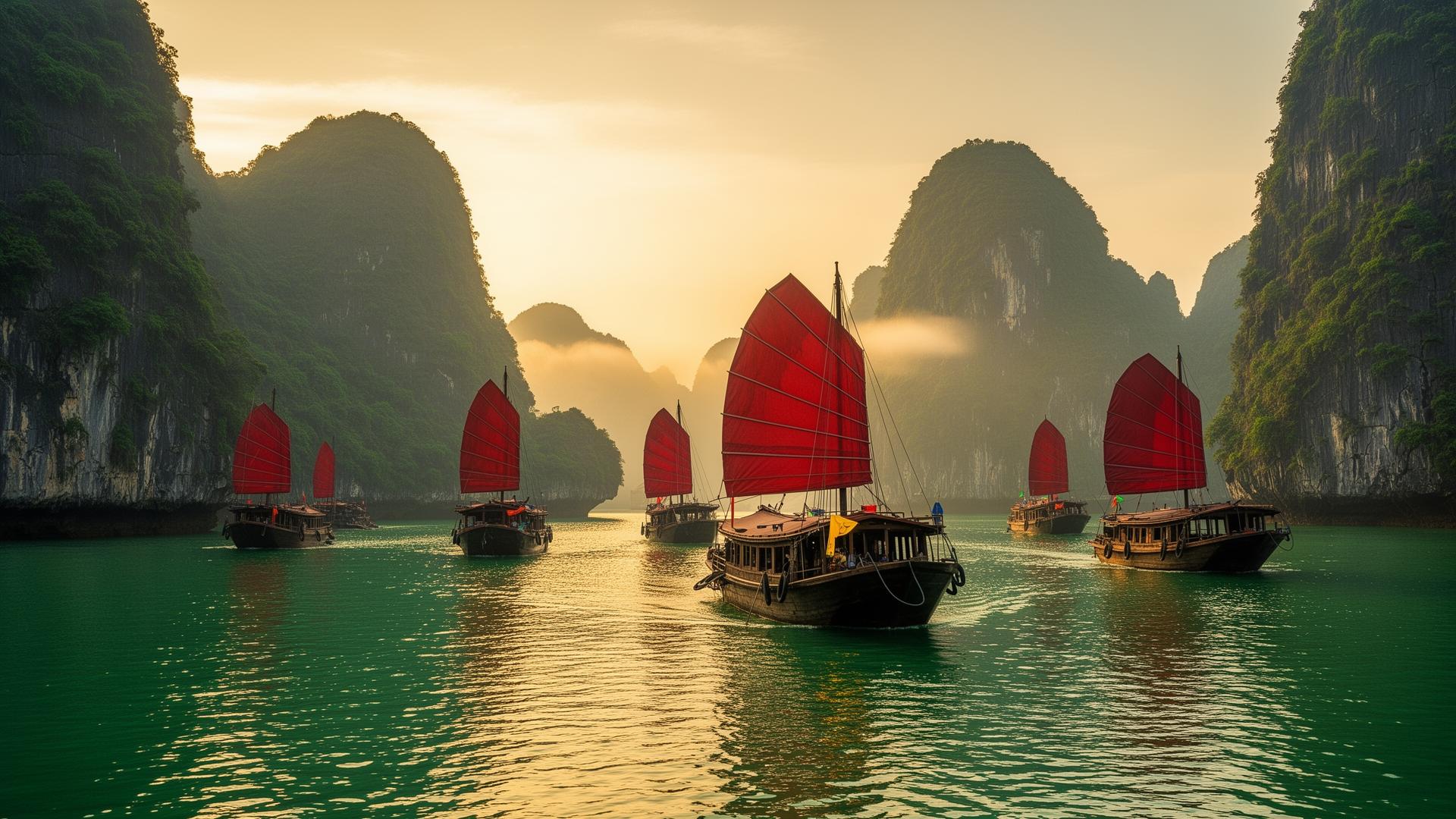
Whether you're cruising through Ha Long Bay, riding the famous Hai Van Pass, exploring lantern-lit Hoi An or trekking through the rice terraces of Sapa, Vietnam delivers incredible experiences at affordable prices.
It's a fantastic destination for backpackers, solo travellers, couples and families, with excellent food, rich history and one of the best value-for-money travel experiences in Asia.
Value for money is exceptional. A bowl of pho is £1.50, a banh mi £1, a beer well under a pound and a comfortable boutique hotel rarely tops £40 a night. That same budget unlocks Ha Long Bay cruises, cooking classes in Hoi An and motorbike trips across the north.
And then there's the food. Vietnamese cuisine is consistently ranked among the best in the world — and the best of it isn't in restaurants. It's on a plastic stool in a Hanoi alley, at a roadside banh mi cart in Hoi An, or at a Saigon street stall where the broth has been simmering since dawn.
This guide covers everything you actually need: itineraries, real costs, transport that works, the best places compared honestly, food worth seeking out, and the practical details — visa, SIM, money, etiquette — most blogs gloss over.
Vietnam destinations map
Tap any destination to jump to its overview. Vietnam divides loosely into the north (Hanoi, Ha Long, Sapa, Ha Giang), the centre (Hue, Hoi An, Da Nang, Phong Nha) and the south (Ho Chi Minh City, the Mekong and Phu Quoc).
Best places to visit in Vietnam
From the chaos of Hanoi to slow days in Hoi An and the wild north of Ha Giang, here are the destinations worth building a Vietnam trip around — what each is like, how long to stay and who they suit best.
North · Capital
Hanoi
Chaotic, charming and brilliant for food — the Old Quarter, lakes and coffee culture make Hanoi the perfect entry point.
North · Nature
Ha Long Bay
Thousands of limestone karsts rising from emerald water — best seen on an overnight cruise.
North · Off-beat
Lan Ha Bay
Ha Long Bay's quieter, prettier sister — fewer crowds and excellent kayaking.
North · Nature
Ninh Binh
Often called "Ha Long Bay on land" — boat rides through limestone valleys and rice paddies.
North · Mountains
Sapa
Stepped rice terraces, mountain villages and homestays in Vietnam's far north.
Far North · Adventure
Ha Giang
The famous Ha Giang Loop — 3–4 days of jaw-dropping mountain motorbike scenery.
Central · History
Hue
The old imperial capital — citadel, royal tombs and a quieter pace than the coast.
Central · Charm
Hoi An
Lantern-lit Ancient Town, tailor shops, riverside cafés and beautiful nearby beaches.
Central · Beach
Da Nang
Modern coastal city with great beaches, the Dragon Bridge and Ba Na Hills nearby.
Central · Scenic
Hai Van Pass
One of the world's great coastal drives — ride or Easy Rider between Hue, Da Nang and Hoi An.
Central · Caves
Phong Nha
Home to some of the world's biggest caves and one of Vietnam's most underrated stops.
South · Mountains
Da Lat
Cool-climate flower town in the central highlands — pine forests, lakes and waterfalls.
South · Coast
Mui Ne
Red and white sand dunes, fishing villages and a laid-back kitesurfing scene.
South · Beach
Nha Trang
Big resort beach town with diving, islands and an active nightlife scene.
South · City
Ho Chi Minh City
Saigon — fast, modern and full of energy, with great food and rooftop bars.
South · River
Mekong Delta
Floating markets, fruit orchards and slow boats through Vietnam's rice basket.
South · Island
Phu Quoc
Tropical island with luxury resorts, white-sand beaches and snorkelling trips.
South · Island
Con Dao
Wilder, quieter island getaway with empty beaches and clear water.
Things to see and do in Vietnam
From cruising Ha Long Bay to riding the Ha Giang Loop, these are the experiences worth building each leg of your Vietnam trip around — grouped by region so you can mix and match.
Capital
Explore Hanoi
- Hoan Kiem Lake
- Old Quarter wander
- Train Street
- Temple of Literature
- Ho Chi Minh Mausoleum
- West Lake
- Night market
- Water Puppet Show
North
Cruise Ha Long Bay
- Overnight cruise
- Limestone karst views
- Kayaking through caves
- Floating villages
- Sunset on the top deck
- Try Lan Ha Bay for fewer crowds
North
Visit Ninh Binh
- Trang An boat ride
- Tam Coc rowboats
- Mua Cave viewpoint
- Hoa Lu Ancient Capital
- Bich Dong Pagoda
Central
Wander Hoi An
- Lantern-lit Ancient Town
- Japanese Covered Bridge
- Riverside cafés
- Tailor shops
- Cooking classes
- An Bang Beach
- Night markets
Central
Ride the Hai Van Pass
- Motorbike yourself
- Easy Rider guided tour
- Private car with stops
- Between Hue, Da Nang & Hoi An
Central
Discover Da Nang
- Marble Mountains
- Dragon Bridge
- My Khe Beach
- Ba Na Hills
- Golden Bridge
North
Trek in Sapa
- Rice terraces
- Mountain villages
- Homestays
- Local culture & markets
- Hike to Fansipan viewpoint
South
Experience Saigon
- Ben Thanh Market
- War Remnants Museum
- Notre-Dame Cathedral
- Independence Palace
- Rooftop bars & coffee culture
- Street food tour
Far North
Ha Giang Loop
- Incredible mountain scenery
- Multi-day motorbike route
- Local homestays
- Epic viewpoints
- Easy Rider option for non-riders
Coast & islands
Beach Destinations
- Phu Quoc
- Nha Trang
- Da Nang
- Con Dao
- Mui Ne
Best Vietnam itineraries
How long do you need? Honestly, more than you think — Vietnam is a long country and rushing it is a mistake. Here are five route lengths that consistently work.
Highlights of Vietnam
Hanoi → Ha Long Bay → Hoi An → Ho Chi Minh City.
Best for: Short first trips
Classic Two Weeks
Hanoi, Ninh Binh, Hoi An, Da Nang and HCMC.
Best for: First-time visitors
Complete Vietnam
Add Sapa or Ha Giang, Hue and the Mekong Delta.
Best for: Most travellers
Backpacker's Loop
North to south by sleeper bus and train, with islands and Ha Giang.
Best for: Backpackers & slow trips
Ha Giang Loop
Iconic 4-day mountain motorbike route through the far north.
Best for: Adventure travellers
Best time to visit Vietnam
Vietnam stretches over 1,600km north to south, so the weather varies dramatically. North Vietnam (Hanoi, Sapa, Ha Giang) is best Sep–Nov and Mar–May. Central Vietnam (Hoi An, Da Nang, Hue) is best Feb–Aug. South Vietnam (HCMC, Phu Quoc) is best Nov–Apr.
North Vietnam ⭐
Hanoi, Sapa, Ha Giang — best Sep–Nov and Mar–May.
Central Vietnam ⭐
Hoi An, Da Nang, Hue — best Feb–Aug with great beaches.
South Vietnam ⭐
HCMC, Phu Quoc, Mekong — dry season Nov–Apr.
Overall best months
March–April and October–November for nationwide trips.
Vietnam budget guide
Vietnam is one of the best-value countries in Asia. Here's what each tier actually looks like day-to-day, with realistic daily, weekly and 2-week estimates.
Backpacker
£20 – £35 / day
£140 – £245 / week · £280 – £490 / 2 weeks
- Accommodation: Hostels & guesthouses · £4–10
- Food: Street food, banh mi, pho · £1–4
- Transport: Sleeper buses, local trains
- Activities: Free sights, occasional tour
Mid-Range
£45 – £80 / day
£315 – £560 / week · £630 – £1,120 / 2 weeks
- Accommodation: Boutique hotels · £20–60
- Food: Mix of street food & restaurants
- Transport: Domestic flights, Grab, trains
- Activities: Cruise, cooking class, tours
Luxury
£120 – £300+ / day
£840 – £2,100 / week · £1,680 – £4,200 / 2 weeks
- Accommodation: 5★ resorts · £120–400+
- Food: Fine dining, hotel restaurants
- Transport: Private transfers, business class
- Activities: Private cruises, spa, guides
Sample mid-range day in Hoi An
Egg coffee £2 · banh mi lunch £1.50 · cooking class £20 · tailor shirt £18 · sunset beer £1.50 · riverside dinner £10 · boutique hotel £35 = £88
Money-saving tips for Vietnam
Vietnam is already brilliant value, but these are the small habits that quietly cut a 2-week trip cost by 20–30% without sacrificing the experience.
Vietnam transport guide
Vietnam's transport network is cheap, frequent and surprisingly easy. Domestic flights cover the long hops, the train hugs the coast for scenic journeys, sleeper buses fill the gaps, and Grab does the rest.
Hanoi ↔ Da Nang / HCMC, HCMC ↔ Phu Quoc
£20 – £60
Scenic north–south route — sleeper berths recommended
£10 – £40
Backpacker favourite — cheap, frequent and overnight
£8 – £20
Comfortable minibuses on popular routes
£10 – £25
The easiest way around all major cities
£1 – £5
Stick to Mai Linh or Vinasun to avoid scams
£2 – £8
Old-school pedicabs and motorbike taxis — agree the price first
£1 – £4
Iconic but only for experienced riders with the right licence
£4 – £8 / day
Phu Quoc, Cat Ba and the Con Dao Islands
£8 – £25
Guided motorbike trips — Hai Van Pass, Ha Giang Loop
£25 – £60 / day
Where to stay in Vietnam
Each Vietnamese city has neighbourhoods with completely different personalities. Use this as a shortlist before opening Booking.com or Agoda.
Hanoi
Best for
Recommended areas
- Old Quarter
- Hoan Kiem
- French Quarter
- West Lake
Hoi An
Best for
Recommended areas
- Ancient Town
- Riverside
- An Bang Beach
Da Nang
Best for
Recommended areas
- My Khe Beach
- City Centre
Ho Chi Minh City
Best for
Recommended areas
- District 1
- District 3
- Thao Dien (D2)
Sapa
Best for
Recommended areas
- Sapa Town
- Ta Van Village
- Lao Chai
Phu Quoc
Best for
Recommended areas
- Long Beach
- Ong Lang
- Sao Beach
Best food to try in Vietnam
Vietnamese food is genuinely one of the great cuisines of the world. Eat widely, eat where the locals queue — and never skip a banh mi cart.
Pho
Vietnam's national soup — fragrant beef or chicken broth with rice noodles.
Banh Mi
The world's best sandwich: crisp baguette, pâté, pickled veg and grilled meat.
Bun Cha
Hanoi specialty — grilled pork with rice noodles and nuoc cham.
Goi Cuon
Fresh summer rolls with prawns, herbs and rice paper.
Cao Lau
Hoi An noodle dish made with water from a single ancient well.
Mi Quang
Central Vietnam turmeric noodle dish with peanuts and shrimp.
Banh Xeo
Crispy rice flour pancake with prawns, pork and bean sprouts.
Bun Bo Hue
Spicy Hue beef noodle soup with lemongrass and chilli.
Com Tam
Saigon's broken rice with grilled pork and a fried egg.
Vietnamese Coffee
Strong drip coffee with condensed milk — try the egg coffee in Hanoi.
Egg Coffee
Hanoi specialty — whipped egg yolk over hot espresso.
Che
Sweet Vietnamese dessert soups, often layered with beans and coconut.
Fresh Seafood
Excellent and cheap along the entire coastline.
Top experiences in Vietnam
Beyond the obvious sights, these are the experiences travellers consistently call out as Vietnam highlights.
Vietnam for different travel styles
Solo travel
One of the most popular backpacking countries on earth — easy and social.
Couples
Hoi An lanterns, Ha Long cruises, Phu Quoc resorts.
Families
Affordable, full of variety and surprisingly easy with kids.
Luxury
Boutique hotels in Hoi An, Aman in Hue, beach resorts in Phu Quoc.
Backpackers
Cheap dorms, sleeper buses and a buzzing hostel scene.
Digital nomads
Hoi An and Da Nang are quietly two of Asia's best nomad spots.
Adventure
Ha Giang Loop, caving in Phong Nha, trekking in Sapa.
Foodies
Arguably the best street food in Southeast Asia.
History
From Hue's citadel to the War Remnants Museum and Cu Chi Tunnels.
Vietnam safety guide
Vietnam is generally very safe for tourists, but sensible precautions should always be taken. The two real risks are road traffic (especially scooters) and petty scams in tourist hotspots. Both are easily managed.
General safety
Violent crime against tourists is rare. Standard city precautions apply.
Crossing the road
Walk slowly and steadily — scooters flow around you. Don't stop or reverse.
Common scams
Taxi overcharging, fake tour operators, shoe shining and pickpocketing.
Scooter & motorbike safety
Wear a helmet, only ride with a valid licence, insure yourself properly.
Food & water
Drink bottled or filtered water. Busy local stalls are usually the safest food.
Money safety
Use ATMs attached to banks. Don't flash large notes in busy markets.
Women's safety
Generally very safe for solo women — standard precautions in nightlife areas.
LGBTQ+ travellers
One of the more progressive countries in Southeast Asia.
Emergency numbers
Police: 113 · Ambulance: 115 · Fire: 114
Practical information
Money & ATMs
Cash is essential. ATMs are everywhere — fees vary by bank.
Cards
Visa & Mastercard accepted in hotels, malls and chain restaurants.
SIM cards & eSIMs
Viettel and Vinaphone offer cheap tourist SIMs. Airalo eSIMs work in 60 seconds.
Internet & WiFi
Excellent — free WiFi in cafés and hotels, strong 4G/5G almost everywhere.
Plugs & power
Type A, C and F sockets · 220V / 50Hz. Universal adapter recommended.
Tipping
Not required but appreciated — 10% in nicer restaurants, 20–50k VND for guides.
Dress code
Casual everywhere, modest at pagodas (cover shoulders and knees).
Religion & customs
Be respectful in temples. Remove shoes where required.
Useful Vietnamese
Xin chào (hello), Cảm ơn (thank you), Ngon quá (delicious).
Healthcare
Good private hospitals in HCMC and Hanoi (FV, Vinmec, Family Medical).
Vaccinations
None required. Hepatitis A, Typhoid and Tetanus commonly recommended.
Visa
E-Visa up to 90 days for most nationalities — apply online before flying.
Essential apps for Vietnam
These are the apps actually worth downloading before you fly.
Grab
Rideshare, motorbike taxis & food delivery
Be
Local Grab alternative — often cheaper
12Go
Trains, buses and ferries
Baolau
Train tickets across Vietnam
Google Maps
Reliable in all major cities
Google Translate
Camera mode reads menus instantly
Airalo
eSIMs in 60 seconds
Wise
Cheap currency transfers
Booking.com
Free cancellation flexibility
Agoda
Best hotel rates in Asia
Klook
Tours & day trips
XE Currency
Quick VND conversions
Vietnam FAQs
The most common questions about travelling in Vietnam, answered honestly.
Is Vietnam cheap to travel?
Yes — Vietnam is one of the best-value destinations in Asia. Backpackers comfortably spend £20–35 per day, mid-range travellers £45–80, and luxury travellers £150+. Street meals cost £1–3 and a beer is often under £1.
How many weeks should I spend in Vietnam?
2 weeks is the sweet spot for a first trip covering Hanoi, Ha Long Bay, Hoi An and Ho Chi Minh City. 3 weeks lets you add Sapa or Ha Giang in the north and Phu Quoc or the Mekong in the south.
Is Vietnam safe for solo travellers?
Yes. Vietnam is one of the most popular backpacking countries in the world and is generally very safe for solo travellers, including women. Main risks are road traffic and tourist scams — both easily avoided with a little awareness.
What's the best month to visit Vietnam?
March–April and October–November give the best all-round conditions across the country. Vietnam is long and weather varies sharply between north, centre and south, so the perfect month also depends on your route.
Do I need cash in Vietnam?
Yes — cash is essential. Cards are accepted in hotels and bigger restaurants, but street food, markets and many local businesses are cash-only. ATM withdrawals usually carry a fee.
Is the Ha Giang Loop worth it?
Absolutely — it's one of the most unforgettable experiences in Southeast Asia. If you're not a confident motorbike rider, hire an Easy Rider to take you on the back.
Is Vietnam better than Thailand?
Different rather than better. Vietnam wins on food, value, scenery diversity and adventure routes; Thailand wins on islands, infrastructure and ease for first-timers. Many travellers do both.
Can you drink tap water in Vietnam?
No — drink bottled or filtered water. Most hotels and hostels provide refill stations. Brushing your teeth with tap water is fine.
Do I need a visa for Vietnam?
Most nationalities need an e-Visa (currently up to 90 days). Some countries get short visa exemptions. Apply online via the official Vietnamese government portal a few weeks before travel.
How do I get around Vietnam?
Domestic flights for long hops (Hanoi ↔ HCMC, HCMC ↔ Phu Quoc), trains for the scenic coast, sleeper buses for budget travel and Grab in every major city.
What's the best Vietnam itinerary?
For 2 weeks: Hanoi (2 nights) → Ha Long Bay (1 night cruise) → Ninh Binh (1 night) → fly to Da Nang/Hoi An (4 nights) → fly to HCMC (3 nights) + Mekong day trip.
Is Vietnam good for first-time travellers to Asia?
Yes. The food, prices and tourism infrastructure make it very welcoming for first-timers. The only learning curve is crossing the road — just walk steadily and the scooters flow around you.
What food should I try in Vietnam?
Pho, banh mi, bun cha, cao lau, mi quang, banh xeo, com tam and Vietnamese coffee are essential. Hanoi's egg coffee is a must too.
Are credit cards widely accepted?
Visa and Mastercard are accepted in hotels, malls and chain restaurants. Amex is patchier. You'll still need cash daily.
How is the internet and WiFi in Vietnam?
Excellent. Free WiFi is standard in cafés, hotels and many restaurants. 4G/5G coverage is strong. An Airalo eSIM is the easiest data option.
What are the best beaches in Vietnam?
Phu Quoc (Sao Beach, Long Beach), An Bang in Hoi An, My Khe in Da Nang, Con Dao and Quy Nhon consistently rank as Vietnam's best.
Is Ha Long Bay worth visiting?
Yes — but pick your cruise carefully. Avoid the cheapest party boats and consider Lan Ha Bay for a quieter, equally beautiful alternative.
Can I ride a scooter in Vietnam?
Only if you're experienced and properly insured. Roads are chaotic, accidents are common and a Vietnamese-recognised licence is required. Easy Rider tours are a great alternative.
Do I need travel insurance for Vietnam?
Yes — non-negotiable. Make sure your policy covers motorbikes if you plan to ride, even as a passenger.
Are vaccinations required for Vietnam?
No vaccinations are required for entry, but Hepatitis A, Typhoid and Tetanus are commonly recommended. Check with your travel clinic.
Is Vietnam LGBTQ+ friendly?
Generally yes — Vietnam is one of Southeast Asia's more progressive countries. Same-sex relationships are legal and HCMC has a small but visible LGBTQ+ scene.
What plug type does Vietnam use?
Mostly Type A, C and F sockets at 220V/50Hz. A universal travel adapter covers you.
Is tipping expected in Vietnam?
Not traditionally, but appreciated. 10% in nicer restaurants or 20,000–50,000 VND for guides and drivers is standard.
Can I visit Vietnam during the rainy season?
Yes — rains usually fall as short, heavy bursts. Northern Vietnam is wettest May–September; the south is wettest June–October. The centre is best February–August.
How early should I book accommodation in Vietnam?
For Tet (late Jan/early Feb), Christmas and New Year, book 2–3 months ahead. The rest of the year, a week or two is fine outside major holidays.