Why visit Hong Kong
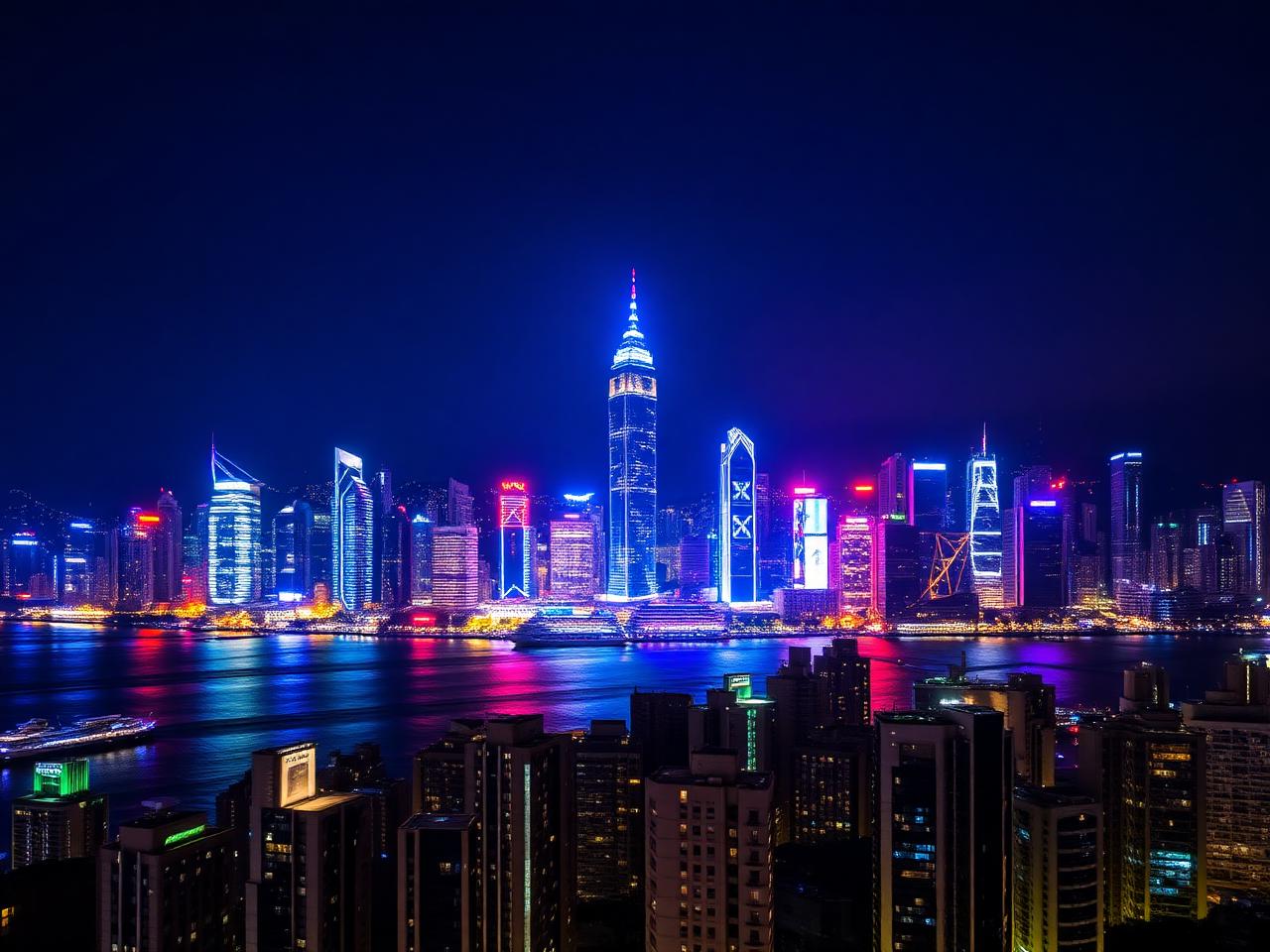
Hong Kong packs more into 1,100 square kilometres than seems geometrically possible. Skyscrapers, hiking trails, beaches, dim sum, Michelin-starred restaurants and the world's best harbour skyline — all reachable on the MTR.
It's expensive (London-level for hotels and Western food) but the street side is cheap — wonton noodles for £5, the world's cheapest Michelin meal (Tim Ho Wan) for £15.
Best for 3–5 day trips. Easy to combine with Macau, Shenzhen or a longer China trip.
Best months are October–December — cool, dry and the skyline crystal-clear.
Best places to visit in Hong Kong
From the headline cities to the spots most travellers miss, here are the destinations worth building a Hong Kong trip around — what each is like, how long to stay and who they suit.
Hong Kong Island · Views
Victoria Peak & Central
Take the Peak Tram for the city's iconic skyline view.
Kowloon · Markets
Tsim Sha Tsui & Mong Kok
Harbour walks, night markets and dim sum.
Islands · Day trip
Lantau Island
Big Buddha, cable car and Tai O fishing village.
Lantau · Family
Hong Kong Disneyland
Compact, easy, half-day option.
New Territories · Nature
Sai Kung & Hiking
Empty beaches, MacLehose Trail and seafood villages.
Day trip · Heritage
Macau
Portuguese-Chinese hybrid 1 hour by ferry.
Best Hong Kong itineraries
How long do you really need? Here are tried-and-tested route lengths, from a quick first taste to a slow, complete loop.
Best time to visit Hong Kong
Best <strong>October–December</strong> (cool, dry, clear skyline). Summer is hot, humid and typhoon-risky. January–February is cool but often grey.
Hong Kong budget guide
Honest, realistic budgets — what each travel style actually costs, by the day, week and 2 weeks.
Backpacker
£50 – £80 / day
£350 – £560 / week · £700 – £1,120 / 2 weeks
- Stay: Hostels · £25–40
- Food: Wonton, dim sum, congee · £4–8
- Transport: Octopus card on MTR
- Activities: Free peaks & hikes
Mid-Range
£150 – £250 / day
£1,050 – £1,750 / week · £2,100 – £3,500 / 2 weeks
- Stay: 4★ hotels · £120–200
- Food: Mix of dim sum & restaurants
- Transport: MTR + occasional Uber
- Activities: Peak Tram, Big Buddha, Star Ferry
Luxury
£400 – £900+ / day
£2,800 – £6,300 / week · £5,600 – £12,600 / 2 weeks
- Stay: Peninsula, Mandarin Oriental · £400+
- Food: Michelin stars
- Transport: Private cars, helicopters
- Activities: Private yachts, junk cruises
Sample mid-range day
Dim sum breakfast £8 · Octopus day £5 · Peak Tram £8 · noodles lunch £5 · Star Ferry £0.30 · sky bar cocktail £18 · seafood dinner £20 · 4★ hotel £160 = £224
Hong Kong transport guide
How to get around — the realistic options, what they cost and when to pick each.
World-class metro — Octopus card covers everything
£0.30 – £2
Iconic harbour crossing — £0.30
£0.30
Cheap; the double-decker tram is a sight in itself
£0.30 – £1
Plentiful and metered — three colours by region
£3 – £15
Available but pricier than taxis
£5 – £20
Cheung Chau, Lamma, Lantau, Macau
£3 – £20
Iconic funicular to Victoria Peak
£8 return
Best food to try in Hong Kong
Order beyond the obvious — these are the dishes locals queue for and travellers remember years later.
Dim Sum
Trolley-style at Tim Ho Wan or Lin Heung.
Wonton Noodles
The breakfast and lunch staple.
Roast Goose
Yat Lok or Kam's — golden, crispy, unbeatable.
Egg Tarts
Tai Cheong Bakery is the gold standard.
Char Siu
Honey-glazed BBQ pork over rice.
Curry Fish Balls
Street snack on a skewer.
Pineapple Bun (Bo Lo Bao)
Sweet bun with cold butter slab.
Milk Tea (Hong Kong style)
Strong black tea with evaporated milk.
Congee
Rice porridge with century egg or pork.
French Toast
Cha chaan teng deep-fried indulgence.
Top experiences in Hong Kong
The experiences travellers consistently call out as highlights.
Hong Kong for different travel styles
Stopovers
Best 3-day stopover city in East Asia.
Foodies
Michelin density and dim sum culture are world-class.
City breaks
Skyline, shopping and rooftop bars.
Families
Disneyland, Peak Tram, ferries and Ocean Park.
Hikers
Surprising network of trails 30 min from downtown.
Business travellers
World's most efficient city for a quick trip.
Hong Kong safety guide
Common-sense safety information from real travellers — what to actually watch out for.
General safety
Extremely safe — one of the safest big cities in the world.
Protests
Historically large gatherings; usually well away from tourist areas.
Typhoons
Jun–Oct — Signal 8+ shuts the city down.
Air quality
Can be poor in winter; check apps.
LGBTQ+
Legally cautious, socially open in most areas.
Health
World-class private hospitals; tap water safe to drink.
Emergency numbers
All emergencies: 999
Practical information
Visa
Most Western nationalities get 90 days visa-free on arrival.
Money & ATMs
Cards accepted widely; Octopus card covers transport and small purchases.
Cards
Visa & Mastercard accepted at hotels, malls and chain restaurants. Carry cash for street vendors.
SIM cards & eSIMs
CSL and 3HK offer cheap tourist SIMs; airport pickup easiest.
Internet & WiFi
Strong WiFi at hotels and cafés; 4G/5G in cities and most popular areas.
Plugs & power
Type G socket (UK-style) · 220V / 50Hz.
Tipping
10% service charge typical; small extra tip optional.
Healthcare
World-class private hospitals (Matilda, Adventist).
Essential apps for Hong Kong
The apps actually worth downloading before you fly.
Google Maps
Reliable navigation across Asia
Google Translate
Camera mode reads local menus
Airalo
eSIMs in under a minute
Wise
Cheap currency transfers & card
Agoda
Best hotel rates across Asia
Booking.com
Free cancellation flexibility
Klook
Tours, transfers & tickets
12Go
Trains, buses & ferries across SEA
GetYourGuide
Experiences & day tours
MTR Mobile
Real-time metro routing
Octopus
Mobile transit payments
Hong Kong FAQs
The questions travellers ask most often, answered honestly.
Is Hong Kong safe?
Yes — extremely safe for tourists, day or night.
How many days do I need in Hong Kong?
Three days for highlights; five for outlying islands and a Macau trip.
When is the best time to visit Hong Kong?
October to December — cool, dry and the skyline crystal-clear.
Do I need a visa for Hong Kong?
Most Western nationalities get 90 days visa-free on arrival.
Is Hong Kong expensive?
Yes — hotels and Western food are London-level. Local dim sum and the MTR are cheap.
Is Hong Kong part of China?
Yes — a Special Administrative Region of China since 1997, with its own laws, currency and visa system.
What's the best view of Hong Kong?
Victoria Peak at sunset; second-best is from the TST harbour at 8pm during the Symphony of Lights.
Can I drink tap water?
Yes — Hong Kong tap water is safe to drink.
Do people speak English?
Widely — Hong Kong is one of Asia's easiest cities linguistically.
What's the best Hong Kong itinerary?
Day 1: Central + Peak. Day 2: TST + Mong Kok. Day 3: Lantau Big Buddha. Add Sai Kung or Macau.
Is tipping expected?
A 10% service charge is usually added; small extra optional.
What plug type does Hong Kong use?
Type G (UK-style) · 220V — UK travellers don't need an adapter.