Why visit South Korea
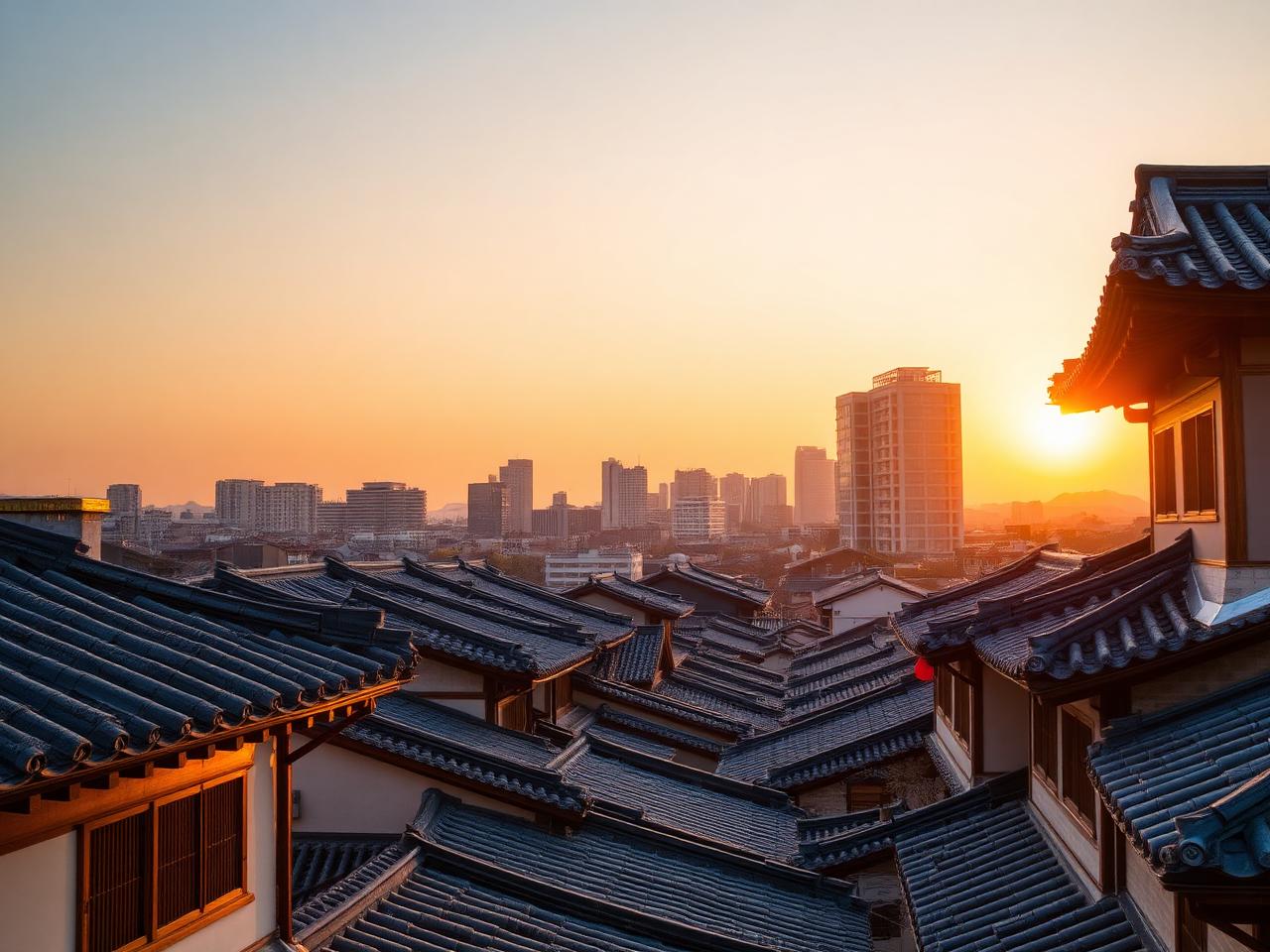
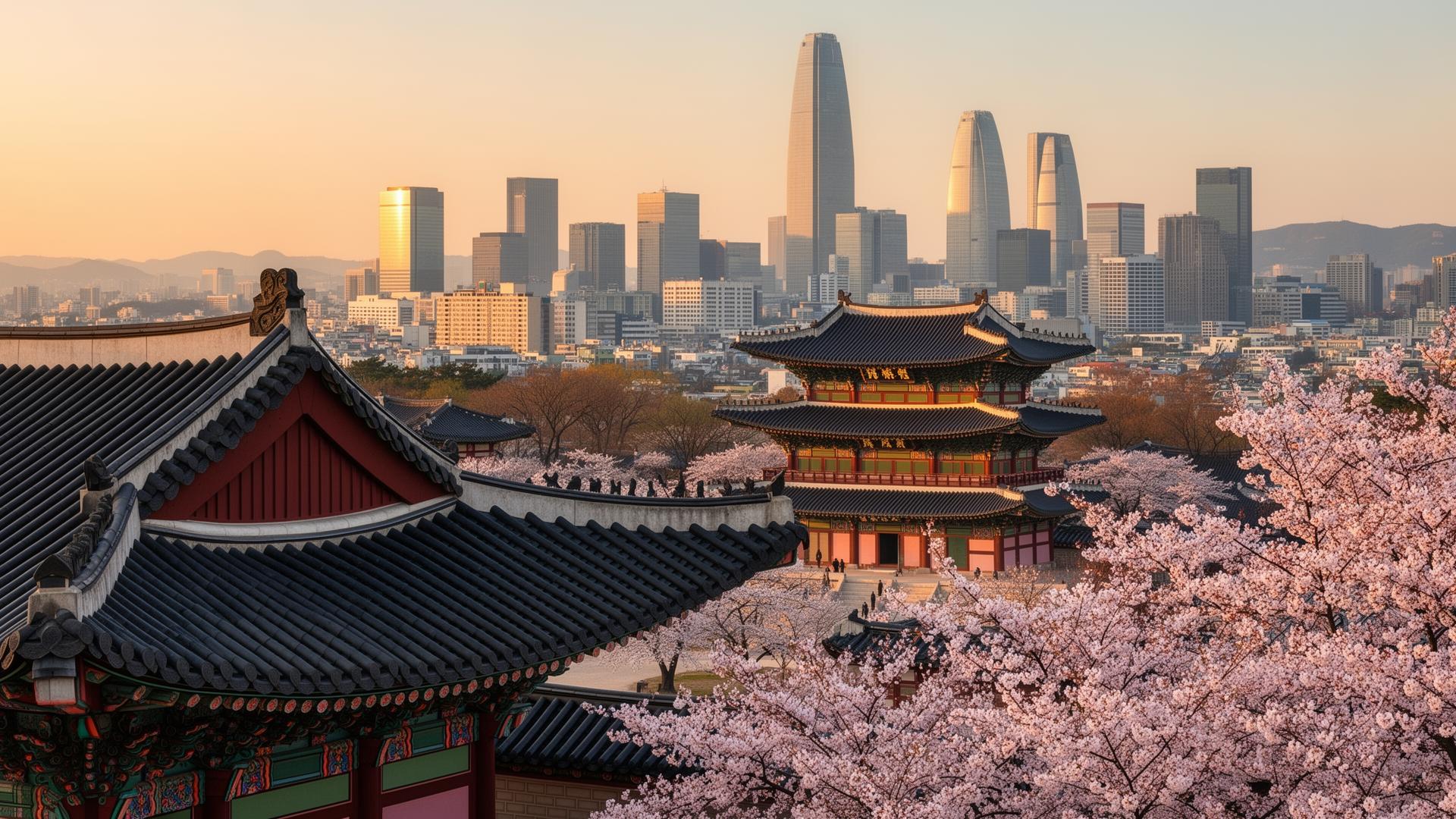
South Korea is one of Asia's most exciting destinations — ancient palaces and cutting-edge megacities, mountain national parks and tropical volcanic islands, and a food scene that rivals anywhere in the world.
While Seoul grabs the headlines with its K-pop, palaces and 24-hour energy, the country has so much more: the beaches and seafood of Busan, the volcanic landscapes of Jeju, the Silla heritage of Gyeongju, and the autumn foliage of Seoraksan.
It's safe, ultra-modern, and surprisingly easy to navigate — world-class transport, the world's fastest internet, and English-friendly signage in every major city.
This guide covers everything you actually need: itineraries, real costs, transport that works, the best stops compared honestly, food worth seeking out, and the practical details — K-ETA, SIM, money, etiquette — most blogs gloss over.
South Korea destinations map
Tap any destination to jump to its overview. Korea divides loosely into Seoul & the north, the south coast (Busan & Tongyeong), the historic centre (Gyeongju, Andong, Jeonju), and Jeju Island.
Best places to visit in South Korea
From the megacity buzz of Seoul to the volcanic landscapes of Jeju and the Silla tombs of Gyeongju, here are the destinations worth building a Korea trip around — what each is like, how long to stay and who they suit best.
Capital · Megacity
Seoul
Palaces, hanok villages, neon nightlife in Hongdae and the K-beauty heart of Myeongdong.
South coast · Beaches
Busan
Korea's seaside second city — Haeundae beach, Gamcheon's painted hills and fresh seafood at Jagalchi.
Island · Nature
Jeju Island
Volcanic island of waterfalls, lava tubes, tangerine groves and Hallasan, Korea's tallest peak.
Culture · UNESCO
Gyeongju
The 'museum without walls' — royal tombs, Bulguksa temple and Silla-dynasty heritage.
Tradition · Hanok
Andong
Hahoe Folk Village, Confucian academies and the home of Korea's famous mask dance.
Food · Hanok village
Jeonju
Korea's culinary capital — the birthplace of bibimbap and the country's most beautiful hanok village.
Day trip · History
DMZ
The Korean Demilitarized Zone — sobering, surreal and one of the world's most unique border experiences.
Mountains · National park
Sokcho & Seoraksan
Granite peaks, autumn foliage and beach town gateway to Seoraksan National Park.
Day trip · Fortress
Suwon
UNESCO Hwaseong Fortress wall, Korean folk village and the country's best galbi.
City · Food
Daegu
Underrated inland city — Seomun Night Market, medicine alley and easy access to Gyeongju and Andong.
Coast · Chinatown
Incheon
Gateway airport city with Korea's only Chinatown and the cafés of Songdo's New City.
Mountains · Ski
Pyeongchang
2018 Winter Olympics host — Korea's best ski resorts and summer alpine hikes.
Coast · Islands
Tongyeong
Hallyeohaesang National Park — cable cars, oysters and dozens of tiny ferry-hop islands.
Tea fields · South
Boseong
Endless green tea terraces and Korea's most photogenic countryside.
Bamboo forest
Damyang
Walk through the towering Juknokwon bamboo grove and slow-food Korean cuisine.
Island · Off-beat
Ulleungdo
Remote volcanic island in the East Sea — sea cliffs, squid boats and almost no tourists.
Things to see and do in South Korea
From Seoul's palaces to Busan's beaches, Jeju's volcanoes and the DMZ — these are the experiences worth building each leg of your Korea trip around.
Capital
Explore Seoul
- Gyeongbokgung Palace & guard change
- Bukchon Hanok Village
- Gwangjang & Namdaemun Markets
- Myeongdong K-beauty shopping
- Hongdae nightlife & buskers
- N Seoul Tower at sunset
- Han River bike ride
- Jjimjilbang Korean spa
Coast
Discover Busan
- Haeundae & Gwangalli beaches
- Gamcheon Culture Village
- Jagalchi Fish Market
- Beomeosa Temple in the hills
- Songdo Skywalk
- Marine City night skyline
- Day trip to Gyeongju
Nature
Jeju Island
- Hike Hallasan or Seongsan Ilchulbong
- Manjanggul lava tube
- Jeongbang & Cheonjiyeon waterfalls
- Hyeopjae and Hamdeok beaches
- Coastal road drive
- Loveland & Teddy Bear Museum
- Tangerine farm visit
Day trips
DMZ & history
- JSA Panmunjom (when open)
- 3rd Infiltration Tunnel
- Dora Observatory
- Imjingak Peace Park
- Suwon Hwaseong Fortress
- Gyeongju Silla royal tombs
Hansik
Food & culture
- Korean BBQ in Mapo (Seoul)
- Real bibimbap in Jeonju
- Temple stay & monastic meal
- Hanbok rental at a palace
- K-pop dance class
- Makgeolli pub crawl
Outdoors
Mountains & nature
- Seoraksan autumn hike
- Bukhansan day hike from Seoul
- Jirisan multi-day trek
- Boseong tea fields
- Damyang bamboo forest
- Ski in Pyeongchang (winter)
Best South Korea itineraries
How long do you need? Korea rewards both short trips (Seoul alone justifies five days) and slow trips with island and mountain add-ons. Here are five route lengths that consistently work.
Seoul Long Weekend
Palaces, hanok villages, Hongdae nightlife and a DMZ day trip.
Best for: Short trips & stopovers
Korea in a Week
Seoul → Busan → Gyeongju — capital, coast and culture.
Best for: First-time visitors
Classic Korea
Seoul, DMZ, Jeonju, Gyeongju, Busan and Jeju Island.
Best for: Most travellers
Korea In-Depth
Add Andong, Seoraksan and the south-coast islands.
Best for: Slow travellers & culture lovers
Korea & Japan
Seoul, Busan and a ferry crossing into Fukuoka, Kyoto and Tokyo.
Best for: Two-country trips
Best time to visit South Korea
Korea has four sharply defined seasons. Spring (April–May) brings cherry blossoms and warm sunshine; autumn (October–November) brings spectacular foliage. Avoid the jangma monsoon in July.
Seoul ⭐
April–May for cherry blossoms; October for foliage and crisp days.
Busan & Jeju ⭐
Late March for early blossoms; May–June for warm beach weather.
Seoraksan ⭐
Mid-to-late October for Korea's best autumn foliage.
Ski season
December–February in Pyeongchang and Gangwon-do.
Avoid
July's jangma monsoon and August typhoons; January cold snaps.
Overall best months
April, May, October and early November.
South Korea budget guide
Korea is mid-priced for Asia — more than Vietnam, less than Japan. Here's what each tier actually looks like day-to-day, with realistic daily, weekly and 2-week estimates.
Backpacker
£45 – £70 / day
£315 – £490 / week · £630 – £980 / 2 weeks
- Accommodation: Hostels & guesthouses · £15–25
- Food: Convenience stores, kimbap & cheap Korean BBQ
- Transport: Subway, intercity buses, KTX standing
- Activities: Free palaces, hiking, night markets
Mid-Range
£90 – £160 / day
£630 – £1,120 / week · £1,260 – £2,240 / 2 weeks
- Accommodation: Mid-range hotels & boutique hanok · £60–120
- Food: Korean BBQ, cafés, decent restaurants
- Transport: KTX trains, taxis, Jeju car rental
- Activities: DMZ tour, theme parks, K-pop experiences
Luxury
£200 – £400+ / day
£1,400 – £2,800 / week · £2,800 – £5,600 / 2 weeks
- Accommodation: 5★ hotels & luxury hanok · £250–600
- Food: Hansik fine dining, Michelin-starred chefs
- Transport: Private drivers, first-class KTX
- Activities: Private guides, spas, helicopter tours
Sample mid-range day in Seoul
Breakfast café £6 · subway day £4 · palace entry £2.50 · Korean BBQ lunch £12 · jjimjilbang spa £8 · cocktail in Itaewon £10 · mid-range hotel £85 = £127
Money-saving tips for South Korea
Korea isn't cheap, but these small habits can quietly cut 20–30% off your trip cost without sacrificing the experience.
South Korea transport guide
Korea has one of the world's best public transport systems. The KTX bullet train connects every major city, world-class metros handle Seoul and Busan, and the Korail Pass keeps multi-city trips cheap.
Seoul ↔ Busan in 2h 30m. Backbone of intercity travel — fast, punctual, comfortable.
£25 – £45
World-class metros — clean, cheap, English signage. Use a T-money card.
£0.80 – £1.50
Tap-and-go card for subway, buses and convenience stores — buy at any 7-Eleven.
£3 + top-up
Cheaper than KTX and reach smaller towns. Comfortable 'udeung' premium class is a treat.
£8 – £25
Seoul (Gimpo) ↔ Jeju is one of the world's busiest routes — short and cheap.
£30 – £70
Slow overnight ferries from Busan, Mokpo and Wando. Most travellers fly.
£25 – £55
Plentiful and metered. Use Kakao T app — UberX-style with English support.
£3 – £10 city ride
Essential for Jeju — most attractions are spread around the island.
£30 – £55 / day
3, 5 or 7-day unlimited KTX pass for foreigners — worth it for multi-city trips.
£90 – £180
Seoul is surprisingly walkable; Han River bike rentals are excellent.
Free – £3 / hr
Where to stay in South Korea
Each Korean city has neighbourhoods with completely different personalities. Use this as a shortlist before opening Booking.com or Agoda.
Seoul
Best for
Recommended areas
- Myeongdong
- Hongdae
- Itaewon
- Gangnam
- Jongno (palaces)
Busan
Best for
Recommended areas
- Haeundae
- Seomyeon
- Gwangalli
Jeju
Best for
Recommended areas
- Jeju City
- Seogwipo
- Hamdeok Beach
Jeonju
Best for
Recommended areas
- Hanok Village
- Old Town
Gyeongju
Best for
Recommended areas
- Bomun Lake
- Hwangnam-dong (near tombs)
Sokcho
Best for
Recommended areas
- Sokcho City Centre
- Near Seoraksan entrance
Best food to try in South Korea
Korean food is bold, balanced and deeply seasonal — fermentation, rice, gochujang heat and the communal joy of grilling meat at the table. It is one of the world's great cuisines.
Korean BBQ (gogi-gui)
Grill-it-yourself pork belly (samgyeopsal), short rib (galbi) and marinated beef wrapped in lettuce.
Bibimbap
Mixed rice bowl with seasonal vegetables, gochujang and a fried egg — Jeonju is the spiritual home.
Kimchi jjigae
Sour-spicy stew of aged kimchi, pork and tofu — Korea's everyday comfort dish.
Tteokbokki
Chewy rice cakes in sweet-spicy gochujang sauce — the queen of Korean street food.
Korean fried chicken (chimaek)
Double-fried, soy-garlic or yangnyeom — paired with cold beer.
Bulgogi
Thin marinated beef grilled with mushrooms and onions — gentle introduction to Korean BBQ.
Samgyetang
Whole young chicken stuffed with ginseng, garlic and sticky rice — eaten on the hottest days.
Naengmyeon
Cold buckwheat noodles in icy beef broth — a summer staple, especially in Pyongyang-style restaurants.
Japchae
Sweet-potato glass noodles with beef and vegetables — sweet, savoury, springy.
Hotteok
Sweet pancakes filled with brown sugar, cinnamon and nuts — winter street food.
Mandu
Korean dumplings, steamed or pan-fried, with kimchi or pork-and-vegetable filling.
Sundubu jjigae
Bubbling silken-tofu stew — vegetarian-friendly versions widely available.
Hoddeok ice cream & bingsu
Mountain of shaved ice with red bean, fruit and condensed milk — summer favourite.
Soju & makgeolli
Soju, the world's best-selling spirit, and milky rice wine makgeolli — order with pajeon.
Top experiences in South Korea
Beyond the obvious palaces and beaches, these are the experiences travellers consistently call out as Korea highlights.
South Korea for different travel styles
Solo travel
Seoul and Busan are among the safest, easiest cities in Asia for solo travel.
Couples
Hanok stays in Jeonju, romantic cafés in Seochon, sunset hikes in Seoraksan.
Families
Lotte World, Everland, Jeju's beaches and kid-friendly Korean food.
Luxury
Signiel Seoul, Park Hyatt Busan, Haevichi Hotel Jeju — Korea does 5★ exceptionally well.
Backpackers
Great hostels in Seoul (Hongdae, Itaewon), KTX rail pass, very safe to travel alone.
Foodies
Korean BBQ, hansik tasting menus, Gwangjang Market, Jeonju, Busan seafood.
K-pop & K-drama fans
Hongdae dance studios, SM Town, K-drama filming locations across Seoul and Jeju.
Hikers
Seoraksan, Bukhansan (right outside Seoul!), Hallasan on Jeju, Jirisan in the south.
History lovers
Gyeongbokgung, Gyeongju Silla tombs, the DMZ, Suwon's Hwaseong Fortress.
South Korea safety guide
South Korea is one of the safest countries in the world. Violent crime is extremely rare and solo female travel is very common. The main practical concerns are extreme summer humidity, winter cold and occasional typhoons in late summer.
General safety
Streets are safe day and night, even alone — Korea consistently ranks among the safest countries globally.
Scams
Very rare. Occasional taxi overcharging late at night — use Kakao T to avoid it.
Natural disasters
Typhoons possible August–September; earthquakes very rare but possible. Apps like 'Emergency Ready' send alerts.
Weather
Summers are humid 30°C+; winters drop to -10°C in Seoul. Pack accordingly.
Food & water
Tap water is safe but most locals drink filtered. Street food is very safe.
Health
World-class hospitals in cities. Travel insurance is still essential.
DMZ
Always visit with an organised tour. Independent travel to the DMZ is not permitted.
Solo travel
Korea is among the easiest countries in Asia for solo female travellers.
Emergency numbers
Police: 112 · Ambulance & Fire: 119 · Tourist Hotline (24/7, English): 1330
Practical information
Money & ATMs
Card is king. Global ATMs (those with the 'Global' sign) accept foreign cards — Citi, KB and Woori work well.
Cards
Visa & Mastercard accepted almost everywhere — taxis, convenience stores, market stalls.
Cash
Useful for small markets and rural areas. ATMs dispense KRW; bring a backup card.
SIM cards & eSIMs
KT, SKT and LG U+ tourist SIMs at the airport. Airalo and Holafly eSIMs work in 60 seconds.
Internet & WiFi
World-leading. Free WiFi on subways, in cafés and across most public spaces.
Plugs & power
Type C and F sockets · 220V / 60Hz. UK/US travellers need an adapter.
Tipping
Not customary — do not tip in restaurants, taxis or hotels.
Dress code
Stylish and modern in cities; modest for temples (cover shoulders and knees).
Useful Korean
Annyeonghaseyo (hello), Kamsahamnida (thanks), Eolma-yeyo? (how much?), Mas-isseoyo (delicious).
Healthcare
Excellent. Major hospitals in Seoul have international clinics with English-speaking staff.
Visa & K-ETA
Most Western nationalities are visa-free for 90 days but must apply for K-ETA online (£6) before flying.
Etiquette
Use two hands when giving/receiving. Remove shoes indoors at hanok and many restaurants. Don't stick chopsticks upright in rice.
Essential apps for South Korea
These are the apps actually worth downloading before you fly — Naver Map and Kakao T in particular will save your trip.
Naver Map
More accurate than Google Maps in Korea — essential for walking and transit
Kakao T
Korea's Uber — taxis with English support and fixed fares
KakaoTalk
Korea's WhatsApp — used for everything including hostel and tour bookings
Papago
Best Korean-English translator — better than Google Translate for Korean
Subway Korea
Offline-friendly Seoul and Busan subway maps with real-time arrivals
Korail Talk
Official KTX booking app — buy and store train tickets in English
Visit Korea (KTO)
Official tourism app with offline city guides and event listings
Airalo
eSIM in 60 seconds — works on KT and SKT networks instantly
Klook
DMZ tours, theme park tickets, hanbok rentals, K-pop experiences
Booking.com / Agoda
Best for Korean hotel deals — Agoda often cheaper locally
Coupang Eats / Yogiyo
Food delivery apps — many menus have English options
XE Currency
Quick GBP / KRW conversions
South Korea FAQs
The most common questions about travelling in South Korea, answered honestly.
Is South Korea expensive to travel?
More expensive than Southeast Asia but cheaper than Japan or Western Europe. Backpackers spend £45–70 a day, mid-range travellers £90–160, and luxury £200+. Food and transport are excellent value; accommodation in Seoul is the priciest item.
How many days do you need in South Korea?
7 days for Seoul + Busan + Gyeongju. 10–14 days is the sweet spot for adding Jeju and Jeonju. 3 weeks lets you slow down and add Seoraksan, Andong and the southern islands.
Is South Korea safe for solo travellers?
Extremely safe — one of the safest countries in the world. Solo female travel is very common. Late-night street safety in Seoul and Busan is excellent.
What's the best month to visit South Korea?
April–May for cherry blossoms and October for autumn foliage are the two peak months. Both offer dry, sunny weather around 18–22°C. Avoid July's monsoon (jangma).
Do I need a visa for South Korea?
Most Western nationalities (UK, EU, US, Canada, Australia) can enter visa-free for up to 90 days but must apply online for K-ETA before flying. The K-ETA is around £6 and takes minutes.
Is Seoul or Busan better?
Both — they complement each other. Seoul is the global megacity with palaces, nightlife and shopping. Busan is laid-back, coastal and seafood-focused. Combine the two via KTX (2h 30m).
Is Jeju Island worth visiting?
Yes — Jeju is Korea's tropical island, with volcanic landscapes, waterfalls, beaches and Hallasan. Most travellers spend 3–4 days. Rent a car as public transport is limited.
Can you visit the DMZ from Seoul?
Yes — organised day tours run daily from Seoul (around £40–70). Independent visits are not permitted. Book in advance, bring your passport, and check if the JSA (Joint Security Area) is open.
How easy is it to get around without speaking Korean?
Very easy in Seoul, Busan and Jeju — signage is bilingual, the subway has English announcements, and Papago handles menus. Smaller towns require more patience.
Is the KTX rail pass worth it?
Yes if you're doing multiple intercity trips. A 3-day pass (£90) breaks even after about two long-distance journeys (Seoul–Busan return is £80+).
What's the best Korea itinerary?
For 10 days: Seoul (4) → DMZ day trip → Jeonju (1) → Gyeongju (1) → Busan (2) → Jeju (2). For 14 days, add Seoraksan or Andong.
Is Korean food spicy?
Some dishes are (kimchi, tteokbokki, dakgalbi) but plenty aren't — bulgogi, japchae, galbi, mandu and most BBQ are mild. Ask for 'an maewoyo' (not spicy).
Can vegetarians and vegans eat in Korea?
Harder than in many Asian countries — even kimchi often contains fish sauce. Temple cuisine (sachal eumsik) is fully vegan, and Seoul has a growing plant-based scene.
Is South Korea good for first-time visitors to Asia?
Excellent — extremely safe, world-class transport, English-friendly signage in cities, and easy to navigate. It's a great Asia starter destination.
What plug type does Korea use?
Type C and F (European 2-pin round) at 220V/60Hz. UK and US travellers need an adapter.
Are credit cards widely accepted?
Yes — Korea is largely cashless. Visa and Mastercard work almost everywhere, including taxis and convenience stores. Bring some cash for small markets and rural areas.
How is the WiFi and internet?
World-leading. Free WiFi is everywhere — subway, cafés, hotels — and Korea has the world's fastest mobile internet. An Airalo eSIM activates in 60 seconds.
Do I need travel insurance for South Korea?
Yes — healthcare is excellent but costs add up. Choose a policy that covers winter sports if skiing in Pyeongchang.
Is tipping expected in Korea?
No — tipping is not customary and can even cause confusion. Don't tip in restaurants, taxis or hotels.
Is South Korea LGBTQ+ friendly?
Seoul, especially Itaewon (Homo Hill), Hongdae and Jongno 3-ga, has visible LGBTQ+ scenes. Korea is socially conservative outside major cities; discretion is sensible elsewhere.
When are the cherry blossoms?
Late March to mid-April. Jeju and Busan bloom first (around 25 March), Seoul peaks early April. The Jinhae Cherry Blossom Festival is the country's biggest.
How early should I book hotels?
Cherry blossom season (April), Chuseok (Sept/Oct) and autumn foliage in Seoraksan (October) — book 2–3 months ahead. Off-season a week is usually fine.
Can I use my UK driving licence in Korea?
Yes with an International Driving Permit (IDP). Renting a car only makes sense for Jeju — Seoul's public transport is better than driving.
Is South Korea good for shopping?
Outstanding — K-beauty in Myeongdong, fashion in Hongdae and Apgujeong, electronics in Yongsan, and traditional crafts in Insadong. Tax refunds available for tourists.
What's the etiquette I should know?
Use two hands when giving or receiving (especially cash or business cards). Take shoes off indoors at hanok stays, temples and many restaurants. Don't stick chopsticks upright in rice.