
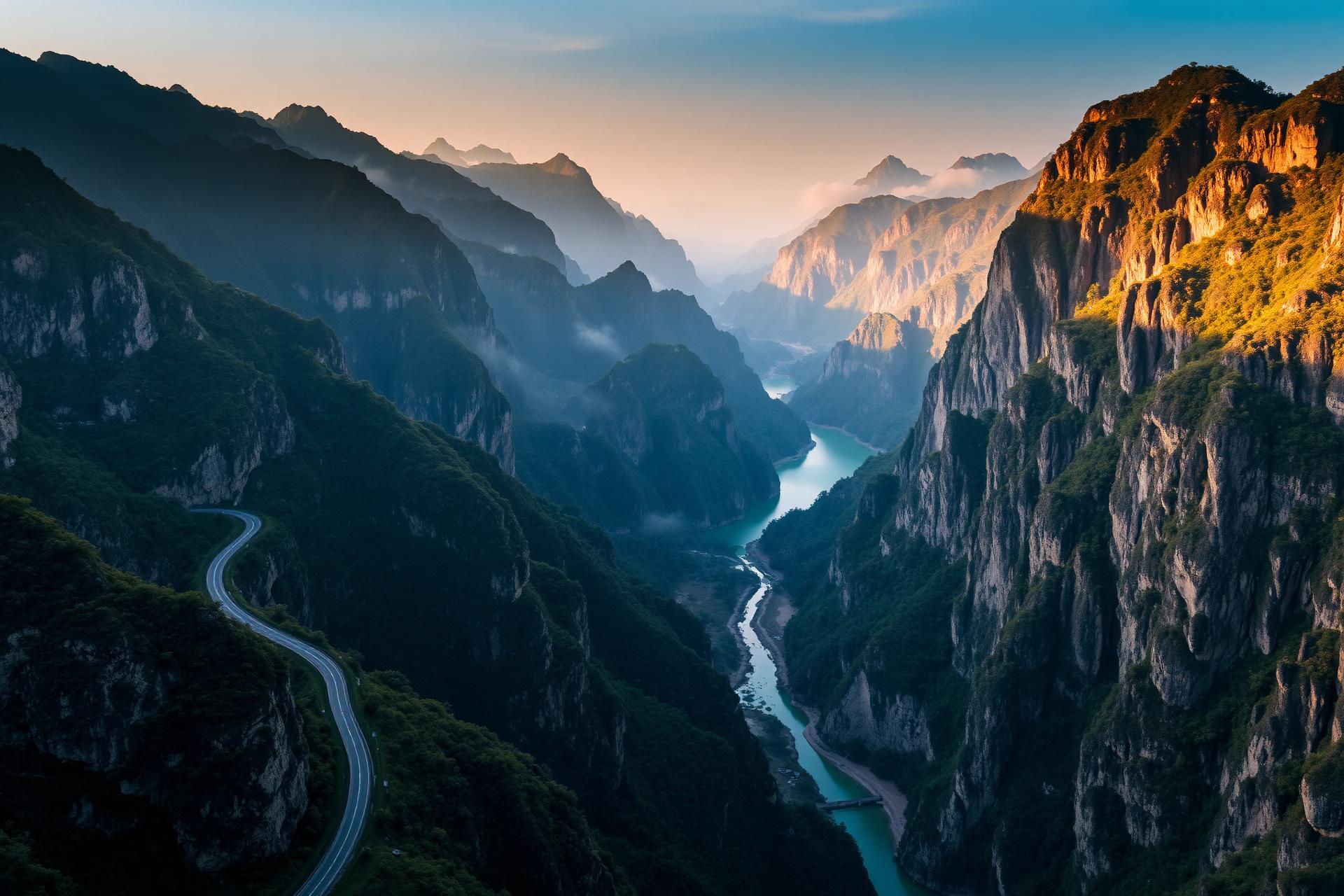
Why the Ha Giang Loop belongs on every Asia bucket list
Tucked into Vietnam's mountainous northern edge — a stone's throw from the Chinese border — the Ha Giang Loop is a 350km ribbon of asphalt that winds through some of Southeast Asia's most staggering scenery. Limestone karsts erupt from valleys of terraced rice, the Nho Que river glows an impossible emerald 1,500m below the Ma Pi Leng Pass, and every switchback reveals another Hmong, Tay or Dao village that feels barely touched by tourism.
Over the last decade the loop has become one of Vietnam's most talked-about experiences — and, thanks to the rise of the Easy Rider, one of its most accessible. You don't need to ride a motorbike yourself. Local guides will drive; you sit pillion, take photographs and drink in the mountains. If you do want to ride, a properly-prepared semi-auto and four unhurried days will give you the trip of your life.
A note before you set off: Ha Giang's magic lives in its people. Ride at a respectful pace through villages, ask before photographing anyone, tip your homestay hosts, and leave the mountains cleaner than you found them. This is a working landscape, not a theme park — and it will reward you for treating it that way.
Quick facts
Location
Ha Giang Province, far-northern Vietnam
Loop length
~350 km
Recommended duration
3–5 days (4 days ideal)
Best time to visit
September–November & March–May
Difficulty
Intermediate riding · Easy for pillion
Average budget
£90–£260 for 4 days
Road conditions
Mostly good asphalt, some gravel & landslide zones
Permit required
Yes — Ha Giang travel permit (~£4)
Mobile signal
Patchy in mountains, decent in towns
Fuel availability
Petrol stations every 20–40 km + roadside sellers
Where is the Ha Giang Loop?
Ha Giang Province sits in Vietnam's far north, sharing a 270km border with China's Yunnan. The loop starts and ends in Ha Giang City, the provincial capital, and traces a rough figure-of-eight north through the Dong Van Karst Plateau UNESCO Geopark.
Ha Giang City is about 320km / 6–7 hrs by road from Hanoi. Most travellers take the overnight sleeper bus, arriving fresh for a next-day briefing at their rental company.
From Hanoi
Overnight sleeper bus (~7 hrs, £10–£16) or limousine van (~6 hrs, £14–£22). Book with QT Motorbikes or Bong Hostel for a bundled seat + bike deal.
From Sapa
Direct bus via Lao Cai and Bac Ha (~7 hrs). A great overland link if you're already up north — Sapa → Ha Giang → back to Hanoi is a classic route.
From Ninh Binh
Reroute via Hanoi — no direct bus. Ninh Binh → Hanoi (2 hrs) → overnight bus to Ha Giang is the practical option.
From Cao Bang
The 'eastern' overland: Cao Bang → Bao Lac → Meo Vac (~6–7 hrs). Increasingly popular for riders combining Ban Gioc Waterfall with Ha Giang.
Choosing your route
The loop can be done in anywhere from 2 to 6 days, but three lengths cover 95% of travellers. The difference is entirely how much time you want to stop — the mileage barely changes.
Short on time
3-Day Loop
6–7 hrs/day · ~350 km
The classic highlight reel. Perfect if you only have three days to spare and are happy to move fast.
- Day 1. Ha Giang → Quan Ba Heaven Gate → Yen Minh → Dong Van (~145 km)
- Day 2. Dong Van → Lung Cu Flag Tower → Ma Pi Leng Pass → Meo Vac (~90 km)
- Day 3. Meo Vac → Mau Due → Ha Giang City (~115 km)
Most recommended
4-Day Loop
4–6 hrs/day · ~350 km
The pace most travellers wish they'd done. Adds Du Gia — the perfect final-night village stop with a waterfall swim.
- Day 1. Ha Giang → Quan Ba → Yen Minh (~100 km)
- Day 2. Yen Minh → Lung Cu → Dong Van Ancient Town (~85 km)
- Day 3. Dong Van → Ma Pi Leng Pass → Nho Que boat trip → Meo Vac → Du Gia (~120 km)
- Day 4. Du Gia waterfall → Ha Giang City (~70 km)
Photographers & slow travel
5-Day Loop
3–5 hrs/day · ~350 km
The version we'd choose. Extra time for market days, sunrise viewpoints, drone flights and unrushed homestays.
- Day 1. Ha Giang → Quan Ba → Yen Minh (~100 km)
- Day 2. Yen Minh → Lung Cu Flag Tower → Dong Van (~85 km)
- Day 3. Dong Van rest day + hidden viewpoints & Sunday market
- Day 4. Dong Van → Ma Pi Leng → Nho Que → Meo Vac → Du Gia (~120 km)
- Day 5. Du Gia waterfall → Ha Giang (~70 km)
Must-see stops on the loop
You'll cover these in one direction whichever route you choose (clockwise via Yen Minh is the standard). Add or drop stops depending on your days.
1. Quan Ba Heaven Gate & Twin Mountains
Your first proper viewpoint on the loop — a sweeping panorama over the perfectly rounded Twin (Fairy) Mountains. Best light in the late morning.
Tip: Pull in at the small café above the pass; skip the paid platform below.
2. Yen Minh
A pine-forested valley town that most riders use as a lunch break or a slower first night. Nothing dramatic — just a beautiful, understated Vietnamese highland town.
Tip: Fill up on petrol here; the next long stretch to Dong Van has fewer stations.
3. Lung Cu Flag Tower
Vietnam's northernmost point, a symbolic red-and-yellow flag over the Chinese border. The climb up 839 steps rewards you with an epic 360° panorama of terraced valleys.
Tip: Add this as a side loop from Dong Van rather than a straight-through drive.
4. Dong Van Ancient Town
The prettiest sleeping town on the loop — a 100-year-old stone-and-timber quarter that comes alive in the evenings with lantern-lit alleys and coffee shops.
Tip: Time your night here around the Sunday market — the best in the region.
5. Ma Pi Leng Pass
The most jaw-dropping road in Vietnam. Twenty kilometres of cliff-side switchbacks 1,500m above the Nho Que river — the reason many people come north.
Tip: Ride it slowly, both directions. Sunset from the second Sky Path viewpoint is unforgettable.
6. Nho Que River Boat Trip
Descend the steep switchback road from Ma Pi Leng to the emerald Nho Que and take a small boat through the Tu San canyon — Southeast Asia's deepest.
Tip: Ride down cautiously and go first thing in the morning to avoid boat queues.
7. Meo Vac
A quieter, more local town than Dong Van, tucked into a bowl of limestone mountains. Best base for exploring the Nho Que and Ma Pi Leng from the eastern side.
Tip: The Sunday market here is one of the most authentic in northern Vietnam.
8. Du Gia Village
The perfect last night: rice terraces, chickens in the yard, and the loop's best homestay dinners. Nearly every rider ends here for a reason.
Tip: Stay at a homestay with a communal dinner (Du Gia Homestay, Nam's, Ms. Yen).
9. Du Gia Waterfall
A short, easy walk from Du Gia village to a jungle waterfall with a clear plunge pool — the reward after four days of dust and mountains.
Tip: Bring swim gear and go early — it's crowded by lunchtime in high season.
10. Local markets
Ha Giang's Sunday and weekly markets — Dong Van (Sun), Meo Vac (Sun), Lung Phin (every 6 days), Sa Phin (Sat) — are the beating heart of the region's Hmong, Tay and Dao communities.
Tip: Arrive by 07:00–08:00 for the real trading before the tour buses roll in.
11. Hidden viewpoints
The best stops aren't marked. Any time you see a pull-off with a couple of scooters and a small café sign, stop. The loop rewards curiosity more than a checklist.
Tip: Tham Ma Pass switchbacks and the Skywalk near Ma Pi Leng are the standouts.
Easy Rider vs self-riding
This is the single most important decision on the loop. Both are wonderful; they're just different trips.
Easy Rider
Ride pillion with a local guide
£45–£80/day all-in (bike, guide, homestays, most meals).
Advantages
- Zero riding experience needed
- Look at scenery, not the road
- Local knowledge & village access
- Safer on mountain roads
- No paperwork or licence stress
Disadvantages
- Less independence
- Fixed group pace
- Costs more upfront
Best for: non-riders, solo travellers, couples where one doesn't ride, anyone nervous about mountain roads.
Self-riding
Rent a bike and ride yourself
£8–£20/day bike + fuel, food and homestays on top.
Advantages
- Complete freedom & pace
- Cheapest way to do the loop
- Stop where you want
- The classic overland experience
Disadvantages
- Genuine mountain-road risk
- Licence & IDP requirements
- Insurance often void without paperwork
- Fatigue eats into the scenery
Best for: experienced motorcyclists with a valid 1968-convention IDP, confident semi-auto riders and travellers who want maximum independence.
Our take: if you've never ridden a manual bike, take an Easy Rider — no ego, no regret. If you're a confident rider with the right licence, self-riding is unforgettable. Around 60% of visitors we speak to end up on an Easy Rider and don't wish they'd done it any other way.
Do you need an International Driving Permit?
Vietnam legally requires foreign riders to hold either a Vietnamese motorbike licence or a 1968-convention International Driving Permit together with the equivalent motorbike category on their home licence. The older 1949-convention IDP that many countries still issue is not valid in Vietnam.
In practice, most rental shops rent to anyone with a passport and cash. Police checkpoints are rare on the loop itself but do happen around Ha Giang City, and fines run £30–£120 plus impound. More importantly, every travel-insurance policy we've seen voids motorbike claims without the correct licence + IDP. On mountain roads with sheer drops, that matters.
If you're taking an Easy Rider, none of this applies — you're a passenger. If you're self-riding, get the 1968-convention IDP at home (a 15-minute post-office process in the UK and most of Europe), carry both permits and your passport, and check the latest rules before you fly — Vietnamese regulations do shift.
Costs & realistic budgets
| Easy Rider tour (per day) | £45–£80 |
| Motorbike rental (semi-auto) | £8–£12/day |
| Motorbike rental (manual/off-road) | £13–£20/day |
| Fuel (whole loop) | £8–£12 |
| Homestay bed | £4–£8/night |
| Private homestay/hotel room | £12–£25/night |
| Meals (local) | £1.50–£3 each |
| Vietnamese coffee | £0.60–£1.20 |
| Nho Que boat trip | ~£4 |
| Lung Cu Flag Tower | ~£1 |
| Ha Giang travel permit | ~£4 (usually included by rental) |
| Overnight bus Hanoi ↔ Ha Giang | £10–£16 |
| Laundry | £1–£2/kg |
| Tip for Easy Rider | £8–£15 per person total |
Backpacker
£70–£110
Self-rented semi-auto, hostel dorms and homestay beds, local meals, share the boat trip.
Mid-range
£180–£260
Easy Rider, private homestay rooms, comfort meals, all attractions, a beer or two.
Premium
£400–£600
Boutique 4-day Easy Rider with private guide, upscale homestays, transfers, drone photography assistance.
Where to stay on the loop
Ha Giang has the widest bed-price range in Vietnam — a £4 homestay dorm and a £70 boutique room are often 200m apart. Homestays are the soul of the loop; book at least one for a communal dinner.
Ha Giang City
- Bong Hostel — briefings, storage & tour hub
- QT Motorbikes Hostel — trusted rider community
- Kiki's House — for a quiet last-night stay
Yen Minh
- Yen Minh Hotel — simple, central private rooms
- Little Yen Minh Homestay — family-run and warm
Dong Van
- Dong Van B&B — small, stylish, in the old quarter
- Hoa Cuong Hotel — reliable mid-range
- Auberge de Meo Vac's Dong Van outpost — boutique feel
Meo Vac
- Auberge de Meo Vac — restored Hmong house, the standout stay on the loop
- Little Yen Homestay — budget favourite
- Lo Lo Ecolodge — for a splurge with rice-terrace views
Du Gia
- Du Gia Homestay — the OG communal dinner spot
- Nam's Homestay — spotless, family-run
- Ms. Yen's Homestay — quiet, off the main track
Food to try
Thang Co
A traditional Hmong stew of horse or beef simmered with mountain herbs. Not for every palate, but the dish everyone talks about after a market morning.
Men Men
Steamed corn couscous — the daily staple of Hmong households. Nutty, comforting and normally served with soup or greens.
Buckwheat cakes
Small, dense buckwheat pancakes cooked over charcoal, celebrating the flower that carpets the region every October.
Pho & bun cha
Northern-style pho is thinner and cleaner than the southern version. Bun cha (grilled pork with cold noodles) is everywhere in Ha Giang City.
Grilled BBQ pork skewers
Roadside charcoal grills around Dong Van and Meo Vac in the evenings — the smell alone will pull you off the bike.
Sticky rice (xoi)
Purple, orange and yellow sticky rice coloured with wild plants, often eaten cold with peanut and sesame at markets.
Mountain herbs & wild greens
Bitter, peppery, medicinal — most homestay dinners come with a bowl of foraged greens you won't recognise. Try them all.
Vegetarian tip
"An chay" (I eat vegetarian) is understood in most homestays. Book ahead so the family can plan tofu, egg and vegetable dishes.
Best time to visit
Ha Giang has four distinct seasons. The two peak windows are the autumn rice harvest (September–November) and spring (March–May). Winter is beautiful but bitterly cold; summer is green but rainy with real landslide risk.
Jan
PoorCold (5–15°C), grey and misty. Beautiful in a moody way but risky on wet mountain roads.
Feb
FairStill cool but clearer. Late month the first spring greens appear.
Mar
GoodWarm days, cool nights, clear skies — classic riding weather.
Apr
ExcellentThe best spring month. Green mountains, warm days and low rain risk.
May
GoodWarm, occasional afternoon showers. Landscapes at their most lush.
Jun
FairHot and increasingly wet. Rice terraces flooding for the summer planting.
Jul
PoorPeak rainy season. Landslides possible — plan flexibility if you go.
Aug
PoorStill wet, but the terraces are electric green. For experienced riders only.
Sep
ExcellentThe golden rice harvest begins. Photographer's month.
Oct
ExcellentThe peak season: buckwheat flowers, dry weather and crisp mountain air.
Nov
ExcellentClear, cool and quiet after October's peak. Our personal favourite.
Dec
FairCold and often foggy. Layer up; ride slow; sunsets are pin-sharp.
Buckwheat flower season
Mid-October to mid-November — hillsides carpeted pink and white. The single most photographed moment on the loop.
Rice harvest
Mid-September to early October — golden terraces cascading down every valley. Book homestays weeks ahead.
Rain & landslides
July and August bring the heaviest rain and the most road closures. Ride only if you're experienced and flexible.
Fog & cold
December–February can drop below 5°C at Ma Pi Leng with thick fog. Beautiful and bleak — pack thermals.
What to pack
Mountain temperatures swing 15°C in a single day. Layers are non-negotiable — a chilly dawn in Dong Van at 10°C can be a 28°C afternoon in Meo Vac.
Clothing
- Quick-dry T-shirts (3)
- Long-sleeve shirt (sun & warmth)
- Fleece or light down jacket
- Rain-shell jacket & trousers
- Two pairs of trousers (one long)
- Underwear & merino socks
- Trainers or light hiking shoes
- Swim gear for Du Gia waterfall
Motorcycle gear
- Full-face helmet (bring your own if you can)
- Riding gloves
- Wraparound sunglasses / goggles
- Buff / face mask (dust)
- Waterproof phone mount
- Small dry bag for essentials
Electronics
- Phone + spare cable
- Power bank (10,000mAh+)
- Universal adapter
- Camera + spare battery
- Drone (optional, mind restricted zones)
- Offline maps downloaded
First aid & meds
- Plasters + antiseptic wipes
- Painkillers & anti-inflammatory
- Rehydration sachets
- Motion sickness tablets
- Antibacterial cream
- Personal prescriptions
Documents & cash
- Passport + copy
- IDP + home licence
- Travel insurance policy
- £100–£200 in Vietnamese dong (cash)
- 1–2 backup bank cards
Cold & rain protection
- Thermal base layer (Sep–Mar)
- Waterproof gloves
- Buff for the neck
- Extra plastic bags for dry storage inside your daypack
Safety tips
Mountain roads
Ride within your ability. Corners tighten unexpectedly; take them wide and slow.
Weather
Wet asphalt in the mountains is 10× more slippery than city rain. Pull over during heavy showers.
Experience
If you can't confidently u-turn on a slope, get an Easy Rider instead.
Road hazards
Watch for gravel on outside corners, potholes and roadworks — especially July–October.
Livestock
Cows, goats, dogs and buffalo wander onto the road. Slow down through villages.
Fuel planning
Fill up in Yen Minh, Dong Van and Meo Vac. Small roadside sellers exist but charge double.
Insurance
Confirm your policy covers motorbikes and check the licence conditions before you ride.
Respect
Ride quietly through villages, ask before photographing people, and tip homestay hosts fairly.
Emergency numbers: 113 (police), 114 (fire), 115 (ambulance). Save your rental company's WhatsApp — they'll dispatch help faster than any hotline.
Photography tips
Sunrise
Tham Ma Pass switchbacks and the Nho Que viewpoints catch the first light — worth the 5:30am alarm.
Sunset
The Sky Path viewpoints on Ma Pi Leng at golden hour. Get there 45 minutes before sunset for the light on the far ridgeline.
Drone photography
Legal in most of Ha Giang but restricted around the Chinese border (Lung Cu) and military sites. Fly early to avoid crowds.
Scenic roads
Tham Ma Pass, Ma Pi Leng and the descent to Nho Que. Ride slow and stop often.
River viewpoints
The Meo Vac side of Ma Pi Leng has fewer cafés and better uninterrupted river shots.
Villages & markets
Ask permission before photographing people — a smile and a raised camera goes a long way. Never shove a lens into a market vendor's face.
Suggested 4-day itinerary
The route we send most travellers on — well-paced, hits every highlight, ends at the loop's best homestay village.
Day 1
Ha Giang → Quan Ba → Yen Minh
Morning briefing and departure. Coffee stop at Bac Sum Pass, lunch overlooking the Twin Mountains at Quan Ba Heaven Gate. Afternoon ride into Yen Minh's pine valley. Homestay dinner and early night.
Lunch: Quan Ba viewpoint café · Dinner: Yen Minh homestay
Day 2
Yen Minh → Lung Cu → Dong Van
Ride through Tham Ma Pass — the classic switchback shot — and detour north to Lung Cu Flag Tower at the Chinese border. Continue via the Sa Phin Palace to Dong Van Ancient Town by mid-afternoon.
Lunch: Lung Cu foodstall · Dinner: Ancient Town courtyard restaurants
Day 3
Dong Van → Ma Pi Leng → Nho Que → Meo Vac → Du Gia
The showstopper day. Ma Pi Leng in the morning light, descend to the Nho Que for the boat trip, lunch in Meo Vac, then the long afternoon ride south through Mau Due to Du Gia village.
Breakfast: Dong Van · Lunch: Meo Vac · Dinner: Du Gia homestay
Day 4
Du Gia waterfall → Ha Giang City
Morning swim at Du Gia waterfall, unhurried breakfast, then the final ride back to Ha Giang City. Return the bike, shower, and jump on the afternoon or overnight bus back to Hanoi or on to Sapa.
Breakfast: Du Gia homestay · Lunch: Ha Giang City
More Vietnam planning
Planning a Vietnam adventure?
A Vietnam trip built around you
We'll create a personalised Vietnam itinerary that includes the Ha Giang Loop alongside the country's best destinations — tailored to your travel dates, budget, pace and interests. Every itinerary is handcrafted by a destination expert and includes accommodation recommendations, transport, hidden gems, restaurants and practical travel advice.
Get My Personalised Vietnam ItineraryFrequently asked questions
Is the Ha Giang Loop dangerous?
The loop has genuine risks — narrow mountain roads, loose gravel, unpredictable weather, livestock, and heavy trucks. That said, thousands ride it safely every week. Ride sober, in daylight, at a moderate pace, and either take an Easy Rider or make sure you have real motorbike experience before you go.
Can beginners ride the Ha Giang Loop?
If you have never ridden a manual motorbike before, this is not the place to learn. Complete beginners should either take an Easy Rider tour (you ride pillion behind a local guide) or spend a few days practising on a semi-automatic in flatter Vietnam first.
Do I need an Easy Rider?
You don't need one — but around 60% of visitors use one, and for good reason. Easy Riders let you look at the scenery rather than the road, remove the risk if you're inexperienced, and often deepen the trip through local knowledge and homestay connections.
Do I need an International Driving Permit for the Ha Giang Loop?
Technically, yes — Vietnam requires either a Vietnamese licence or a 1968-convention IDP plus your home motorbike licence. In practice most rental shops don't check, but police checkpoints can, and travel insurance will refuse claims without the correct paperwork. Ride legal if you ride yourself.
How many days should I spend on the Ha Giang Loop?
Four days is the sweet spot. Three days works if you're time-poor but everything feels rushed. Five days is ideal for photographers, slower riders and anyone who wants to properly explore Du Gia and the Nho Que river.
Is 3 days enough for the Ha Giang Loop?
It's enough to see the highlights — Quan Ba, Dong Van, Ma Pi Leng and Meo Vac — but you'll be riding 5–7 hours a day with limited stops. Fine if you're on a tight schedule; not ideal if you want to breathe the place in.
What is the best month to visit the Ha Giang Loop?
September to November for golden rice terraces and October's buckwheat flowers, followed by March to May for warm dry weather and green mountains. Avoid July and August for peak-rain landslide risk.
How much does the Ha Giang Loop cost?
Budget riders can do it for £70–£110 total for 4 days (self-rented bike, hostels, cheap food). A mid-range 4-day Easy Rider tour lands at £180–£260 all-in. Premium boutique tours can go up to £400–£600.
Can I do the Ha Giang Loop without booking a tour?
Yes. Rent a bike in Ha Giang City (Jasmine, QT Motorbikes and Bong Hostel are the trusted names), download offline Google Maps, book homestays as you go, and you're set. The route is well-signposted and travellers are everywhere.
Is the Ha Giang Loop worth it?
It is the trip almost every Vietnam traveller ranks as their favourite. Genuinely world-class mountain scenery, warm homestays, and a road that keeps rewarding you every hour. Yes — it's worth it.