Travel tips
Money & ATMs in Asia
Using your money abroad doesn't need to be expensive. Learn which cards work best, how much cash to carry, where to find reliable ATMs and the simple mistakes that can cost travellers hundreds in unnecessary fees.
Plan your tripTravelling around Asia is generally affordable, but poor exchange rates, unnecessary ATM fees and foreign transaction charges can quickly add up over a long trip.
With the right travel card and a few simple habits, you can save meaningful money throughout your travels — and avoid the frustrating surprises many first-time visitors encounter.
Top tip
Always pay in the local currency when using your card. Never choose your home currency if an ATM or card machine asks — you'll almost always get a worse exchange rate.
The basics
Cash or card?
Card payments
Best for
- Hotels
- Shopping centres
- Larger restaurants
- Supermarkets
- Airports
Advantages
- Safer than carrying lots of cash
- Convenient
- Easy expense tracking
Cash
Best for
- Street food
- Local markets
- Small cafés
- Taxis
- Rural areas
- Island destinations
Advantages
- Accepted everywhere
- No transaction fees
- Handy for tipping
Recommendation: carry enough cash for one or two days, but avoid carrying large amounts at any one time.
Pick a travel-friendly card
Best travel cards
Wise
Ideal for international spenders
- Excellent exchange rates
- Hold multiple currencies
- Low-cost international transfers
Revolut
Great for holiday spending
- Budget tracking built in
- Fee-free spending within plan limits
- Instant spending notifications
Monzo
Popular with UK travellers
- Easy-to-use app
- Real-time spending notifications
- Competitive exchange rates
Starling Bank
Simple, fee-friendly UK banking
- No foreign transaction fees on card spending
- Free ATM withdrawals abroad (subject to fair-use limits)
- Simple banking experience
Always check your bank's latest fees and limits before travelling — card benefits and terms can change.
Finding cash on the road
Using ATMs in Asia
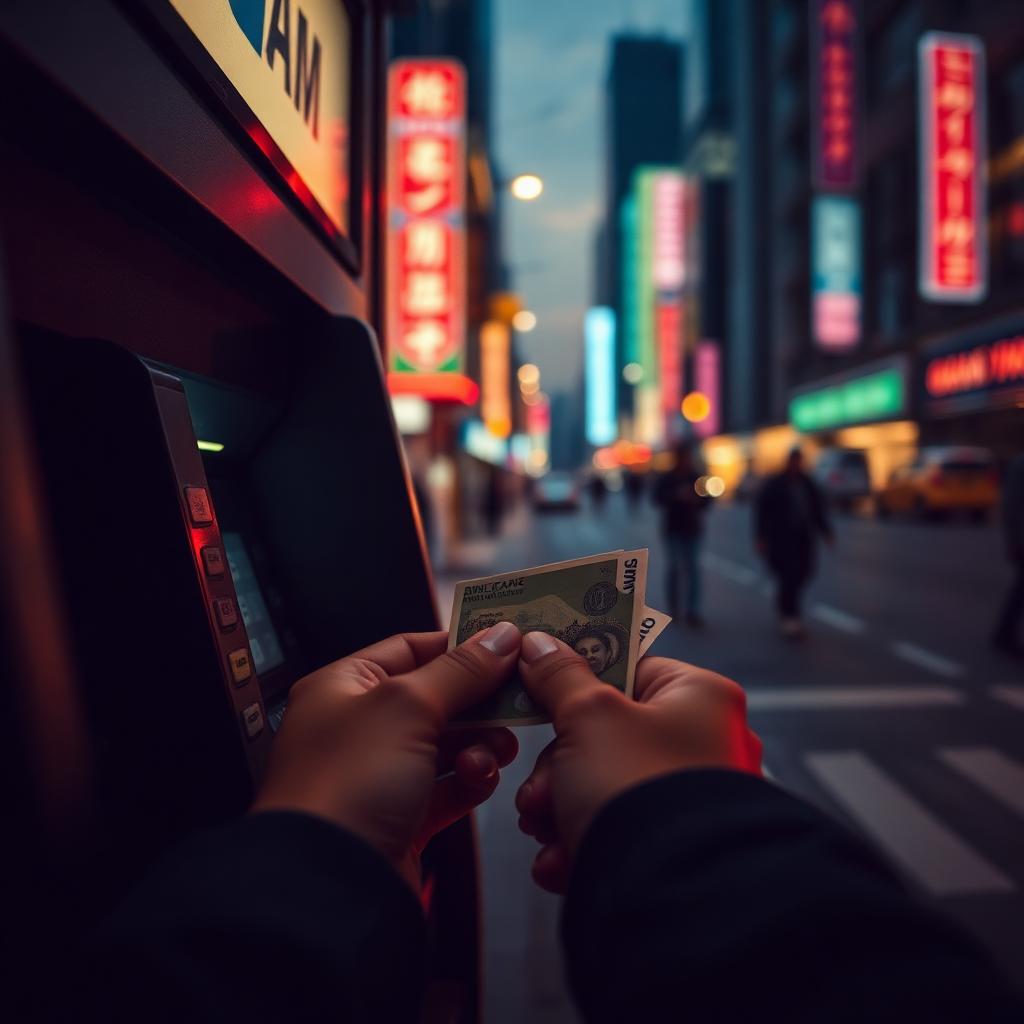
ATMs are easy to find in most cities and tourist destinations. Use ATMs attached to banks whenever possible for added security.
Plan withdrawals
How much should you withdraw?
Short city stay
Withdraw enough cash for two or three days at a time — enough for street food, taxis and small purchases.
Backpacking
Withdraw larger amounts less frequently to reduce fixed ATM withdrawal fees eating into your budget.
Remote areas
Withdraw cash before travelling to islands, mountain regions or rural villages where ATMs may be limited or unreliable.
Country by country
ATM fees to expect
| Country | ATM availability | Typical advice |
|---|---|---|
| Thailand | Excellent | Fixed ATM withdrawal fees are common. Withdraw larger amounts to reduce fee frequency. |
| Vietnam | Excellent | Check withdrawal limits — some ATMs allow larger withdrawals than others. |
| Indonesia | Excellent | Tourist areas have plenty of ATMs, but remote islands may have fewer options. |
| Malaysia | Excellent | Widely available with good reliability. |
| Singapore | Excellent | Cards are accepted almost everywhere. |
| Cambodia | Good | US dollars may still be accepted in some places alongside local currency. |
| Laos | Good | Carry cash outside major towns. |
| Philippines | Good | ATMs are common in cities, but less so on smaller islands. |
| Sri Lanka | Good | Reliable in major towns and cities. |
| India | Excellent | Widely available, though cash is still commonly used in smaller businesses. |
Please note ATM fees and withdrawal limits can change over time. Always check before you travel.
Dynamic Currency Conversion — the fee to avoid
If an ATM or card machine asks:
"Would you like to pay in GBP / USD / EUR?"
Always choose: pay in the local currency.
Choosing your home currency usually results in a poorer exchange rate set by the merchant or ATM operator, not your bank.
Stay safe
Safety tips
Don't put all your eggs in one basket
Splitting your money
Never keep all your money together. A simple strategy is to carry the following, stored in separate places (a wallet, a day-pack pocket, your accommodation safe):
By destination
Country-specific money tips
Thailand
Cash is still useful despite widespread card acceptance.
Destination guideVietnam
Street food and local cafés are often cash only.
Destination guideIndonesia
Cards are accepted in tourist areas, but cash is essential in smaller towns and local businesses.
Destination guideJapan
Card acceptance has improved significantly, but some smaller restaurants, temples and traditional inns may still prefer cash.
Destination guideSouth Korea
Cards are widely accepted almost everywhere.
Destination guideCambodia
Carry small notes for easier change.
Destination guideLaos
Cash remains the preferred payment method in many areas.
Destination guideDon't get caught out
Common mistakes
Questions
Frequently asked questions
Can I use my card everywhere in Asia?+
In most cities, yes. However, cash is still commonly needed for markets, local restaurants, taxis and rural areas.
Should I exchange money before travelling?+
It's usually enough to carry a small amount of local currency for arrival and withdraw more once you reach your destination.
How much cash should I carry?+
Enough for one or two days of normal spending, depending on where you're travelling.
Is it safe to use ATMs in Asia?+
Yes, especially ATMs attached to banks or located inside shopping centres and airports.
Should I carry US dollars?+
Not usually, although having a small amount of emergency cash can be useful in some situations.
Keep more in your pocket
Money-saving tips
Keep reading