Travel Tips
Temple Etiquette in Asia
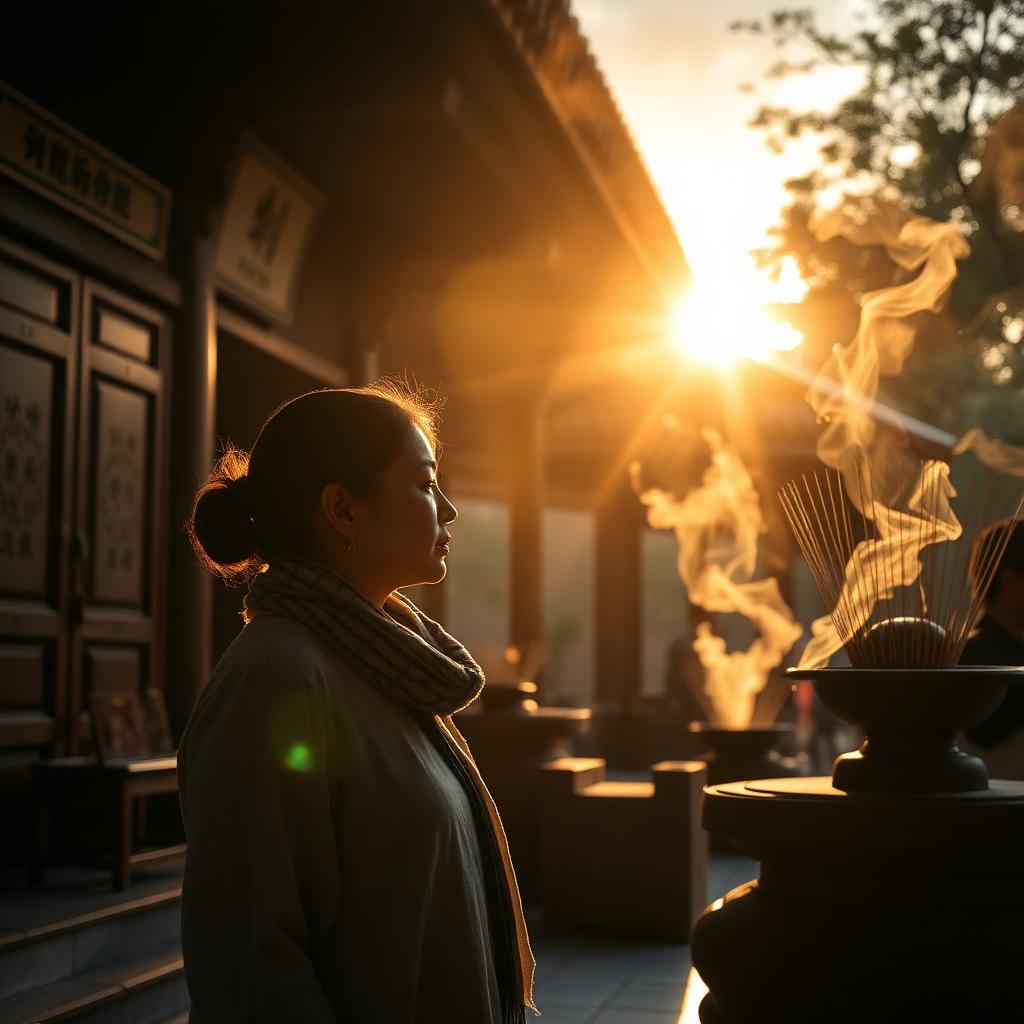
Temples are some of Asia's most beautiful and memorable places to visit. Understanding a few simple customs will help you show respect, avoid awkward situations and enjoy your visit with confidence.
Plan Your TripAcross Asia you'll find Buddhist temples, Hindu temples, Shinto shrines, Taoist temples and many other important religious sites. Although customs vary between countries and religions, there are several respectful behaviours that apply almost everywhere.
Remember: These are places of worship first and tourist attractions second. Being respectful helps preserve these important cultural and religious sites.
Dress Code
Recommended Clothing
- Shoulders covered
- Knees covered
- Loose, comfortable clothing
- Lightweight trousers or long skirts
- T-shirts or shirts with sleeves
Avoid Wearing
- Short shorts
- Crop tops
- Low-cut tops
- Clothing with offensive slogans or images
- Swimwear
Many major temples rent or lend sarongs and shawls if your clothing doesn't meet the dress code, but it's best to arrive prepared.
Removing Your Shoes
Many temples require visitors to remove their shoes before entering certain buildings.
Look for:
- Shoe racks
- Signs requesting shoe removal
- Locals removing their footwear
Wear shoes that are easy to take on and off if you plan to visit several temples in one day.
Photography Rules
Usually Allowed
In outdoor temple grounds and courtyards.
May Be Restricted
Inside prayer halls or around sacred objects. Always look for signs or ask staff if you're unsure.
Flash Photography
Avoid using flash around worshippers, monks or sacred artwork unless clearly permitted.
Behaviour Inside Temples
- Speak quietly
- Walk calmly
- Respect worshippers
- Follow marked paths
- Turn your phone to silent
- Follow any instructions from staff or monks
Showing Respect
- • Be mindful of personal space.
- • Don't interrupt ceremonies.
- • Avoid climbing on religious monuments.
- • Treat sacred objects with care.
- • Respect barriers and restricted areas.
Customs differ between countries and religions, so observing local visitors can be helpful.
Interacting with Monks
Many visitors enjoy meeting monks, but remember they are religious figures rather than tourist attractions.
Good etiquette includes:
- Ask before taking photographs.
- Speak politely.
- Respect personal space.
- Follow any local customs regarding greetings or interactions.
Traditions vary by country, and in some places there may be customs regarding physical contact.
Country-Specific Tips
Thailand
Dress modestly and remove shoes where required. Many temples remain active places of worship throughout the day.
Cambodia
Angkor Archaeological Park includes active temples where respectful clothing and behaviour are expected.
Indonesia
Many Balinese temples require visitors to wear a sarong and sash, which are often provided at the entrance.
Japan
Many shrines and temples have purification areas near the entrance. Remain respectful and avoid blocking pathways during ceremonies.
South Korea
Temples are often peaceful places for reflection. Keep noise to a minimum and stay on designated paths.
Sri Lanka
Cover shoulders and knees. Shoes are commonly removed before entering sacred areas.
India
Customs vary widely between temples. Many require shoes to be removed, and some may have additional dress requirements.
Common Mistakes
- Wearing revealing clothing
- Taking photos where prohibited
- Speaking loudly
- Touching sacred statues
- Ignoring signs
- Flying drones without permission
- Climbing on religious monuments
- Blocking worshippers to take photos
What to Pack
- Lightweight scarf or shawl
- Sarong
- Lightweight trousers
- Reusable water bottle
- Slip-on shoes or sandals
- Small bag for shoes if required
Frequently Asked Questions
Do I always need to cover my shoulders?+
Not everywhere, but many temples require shoulders and knees to be covered. It's a good idea to carry a lightweight layer just in case.
Can I wear sandals?+
Yes. Sandals are often convenient because many temples require shoes to be removed before entering.
Can I take photographs inside temples?+
It depends on the temple. Outdoor photography is often allowed, but indoor photography may be restricted.
Do I need to remove my shoes?+
Many temples require shoes to be removed before entering certain buildings. Look for signs or follow what local visitors are doing.
Can children visit temples?+
Yes. Families are welcome at most temples, provided everyone behaves respectfully.
Respecting Local Culture
Visiting temples is about much more than seeing beautiful architecture. Taking a few moments to dress appropriately, behave respectfully and observe local customs helps preserve these incredible places for future generations and creates a more meaningful travel experience.
Explore Asia Respectfully
Our personalised itineraries include practical local advice, cultural tips, recommended temple visits and suggested routes to help you experience Asia's incredible heritage with confidence and respect.
Get Your Personalised Itinerary